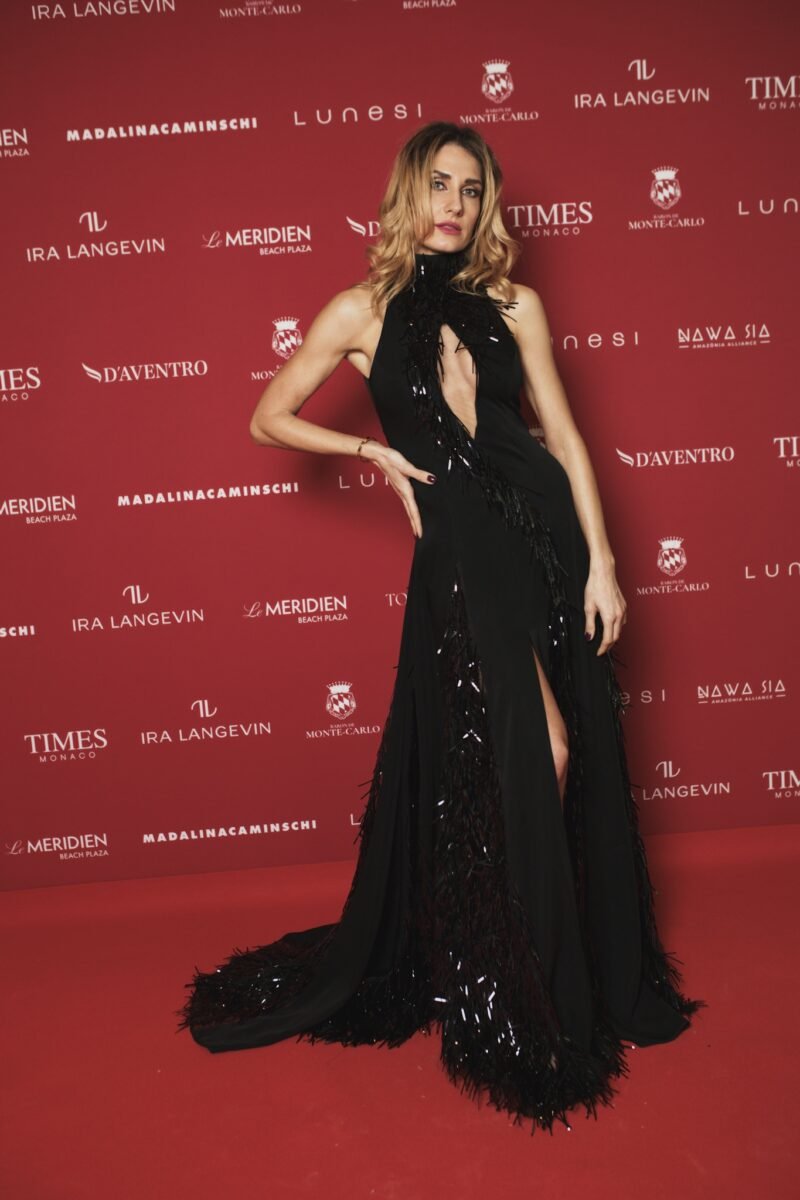
Ira Langevin: Couture as a Language of Individuality
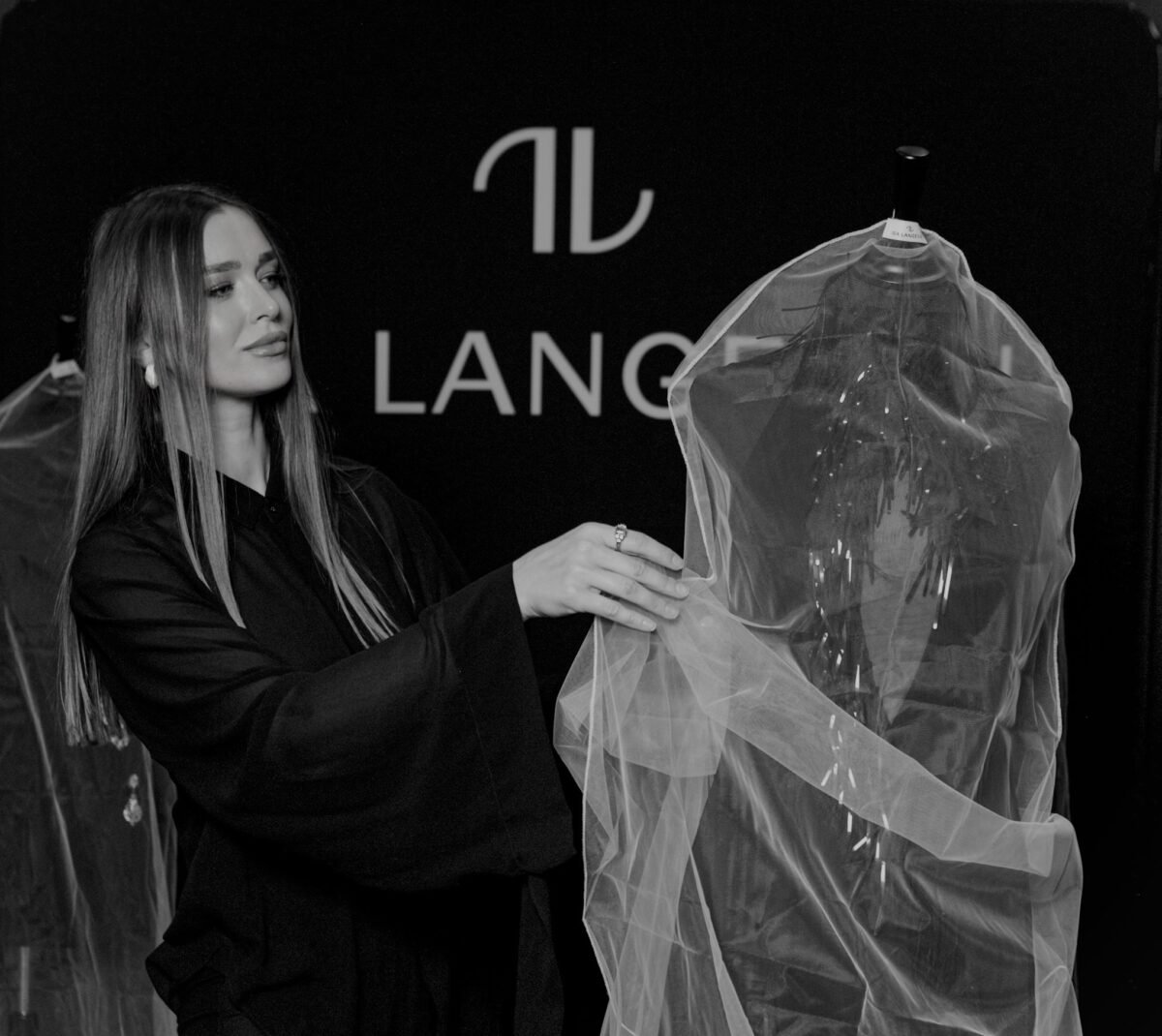
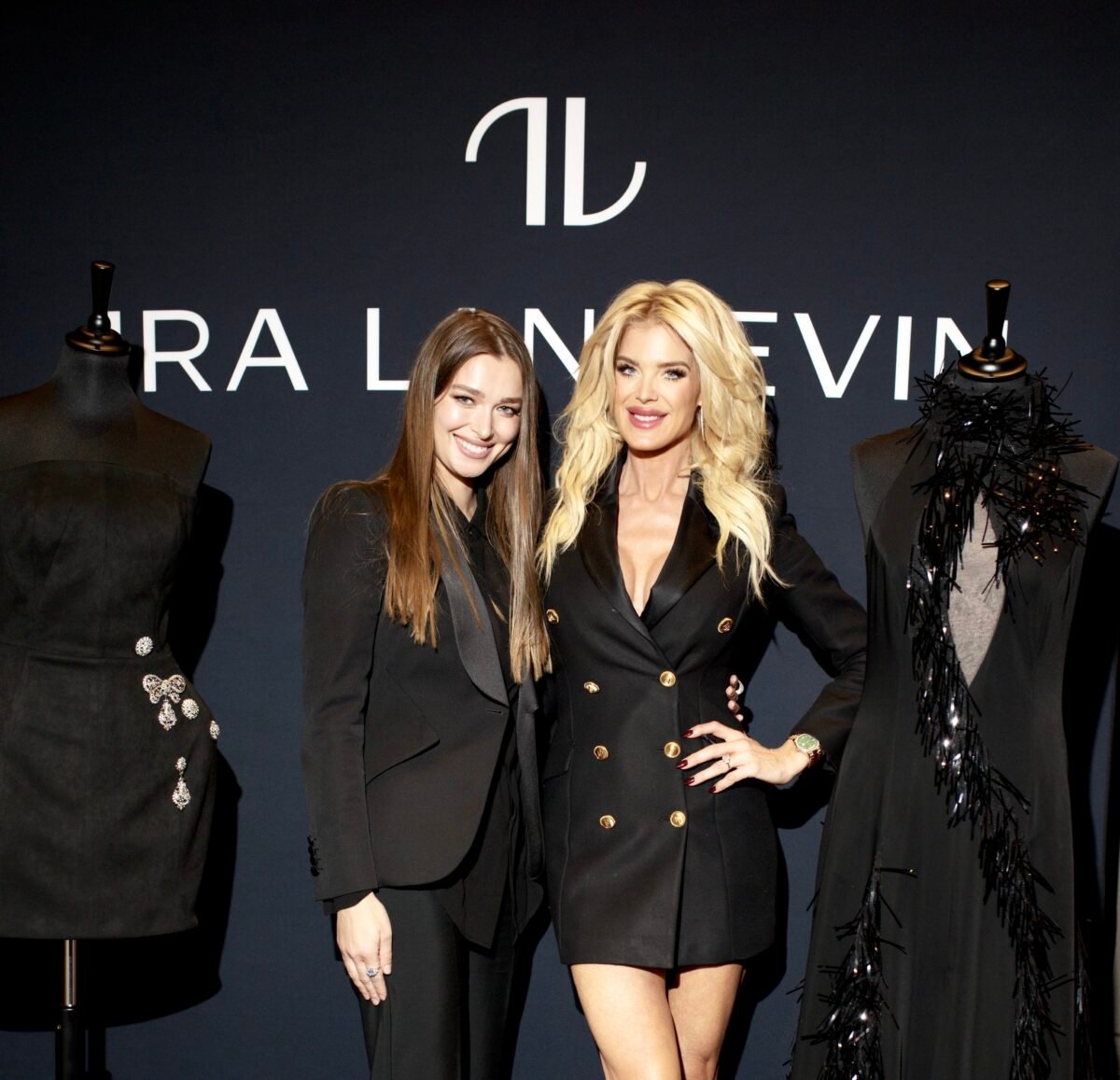
In December, Ira Langevin participated in the Times Monaco event, where she showcased her exquisite creations. The presentation highlighted not only the refined craftsmanship of her couture, but also the depth of philosophy and individuality behind each piece. We are delighted to continue this dialogue and to have the pleasure of this conversation with Ira Langevin, exploring her journey, her vision, and the meaning of couture in today’s world.
How did your journey into couture begin, and what moments most shaped you as a designer?
You know, when beauty isn’t given from the outside, you begin to seek it, cultivate it, and recreate it within yourself. I am certain that the defining moment in shaping me as a designer was my childhood. The challenging conditions of the 1990s in the USSR — a time of scarcity, limited visual culture, and restricted access to art — unexpectedly became fertile ground for the development of my innate aesthetic sense.
My educational path was quite unconventional. I chose a university far removed from the arts, enrolling in International Relations. Later came studies in dramaturgy, followed by numerous related courses and self-directed research. All of this shaped my thinking, expanded my inner horizons, and taught me to feel structure — not just in form, but in meaning. And I don’t speak of this only in the past tense, because I am still learning and exploring. Throughout it all, fashion was always with me. I constantly sketched clothing and jewelry, refining my stylistic and design skills for myself and my immediate circle for many years.
As you can see, my path into fashion was long and indirect, exploring many arts and disciplines. I believe it was this journey — outside the conventional frameworks of the fashion industry — that allowed me to form my own language. A language not borrowed, not learned, but lived.
Was there a turning point when you realized couture — not ready-to-wear — was your true calling?
If circumstances had been different, I probably would have realized this in childhood. But reality unfolded otherwise. I truly understood that couture is my calling about ten years ago, through a process of deep self-exploration. Studying myself as a person, I noticed a pattern: fashion is a passion to which I continually return.
I think the paradox — and at the same time the challenge — of our time is the endless flow of information. It disorients us, disrupts our internal compass, and makes it difficult to distinguish true desires and one’s calling. Yet this very challenge is a wonderful quest: under these conditions, to truly meet oneself. This is something I wish for everyone.
How do your personal experiences and background influence your design language?
My path led me to places where I had to learn to “read the air,” a skill in which I excelled — sensing the state of a space, a person, a moment. This became the foundation of my design language. Following that came extensive experience in styling and dramaturgy, where form always serves meaning, and the external image becomes an extension of an inner story. Over time, individuality became a central concept for me.
If you think about it, it’s astonishing: billions of us exist, and each has a unique face, a unique destiny, a unique inner world. Recognizing this divine uniqueness directly shapes my design. My task is not to decorate, but to accurately express individuality, allowing the image to become a language of personal narrative.
How would you describe the person you design for?
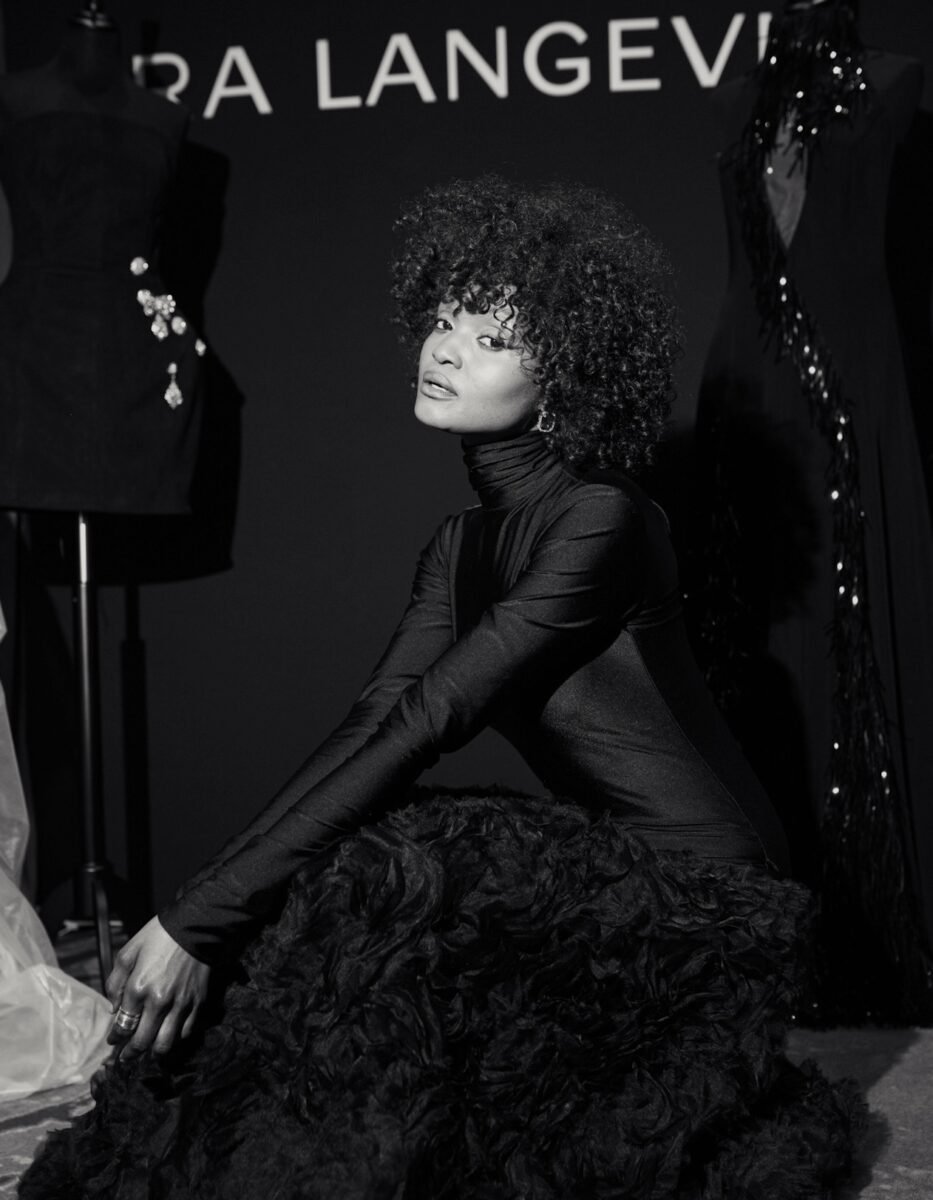
I create for a bold woman who has undergone a journey of self-discovery and embraced her uniqueness and her nature. She is a woman unafraid to manifest herself, to be visible, to shine. Her garments do not exist separately from her: they amplify her, uniting character, inner strength, and beauty, transforming the outward appearance into a cohesive, expressive composition.
Where do you usually find inspiration?
Mostly in silence and observation. I am a generator of ideas — not only for myself — but to do this, I need silence. Continuous personal development, learning, traveling, and exploring other cultures are also essential. I cannot imagine my life without these experiences.
What does “couture” truly mean to you in today’s fashion landscape?
I do not take a stance of resistance — I prefer the stance of “for.” Couture, for me, is exactly that “for”: adherence to craft and tradition, to culture and meaning, to quality and authenticity. Couture is a conscious choice of depth. It is a space where time slows, and an item ceases to be a product and becomes a bearer of values.
Which techniques or details are signatures of your work?
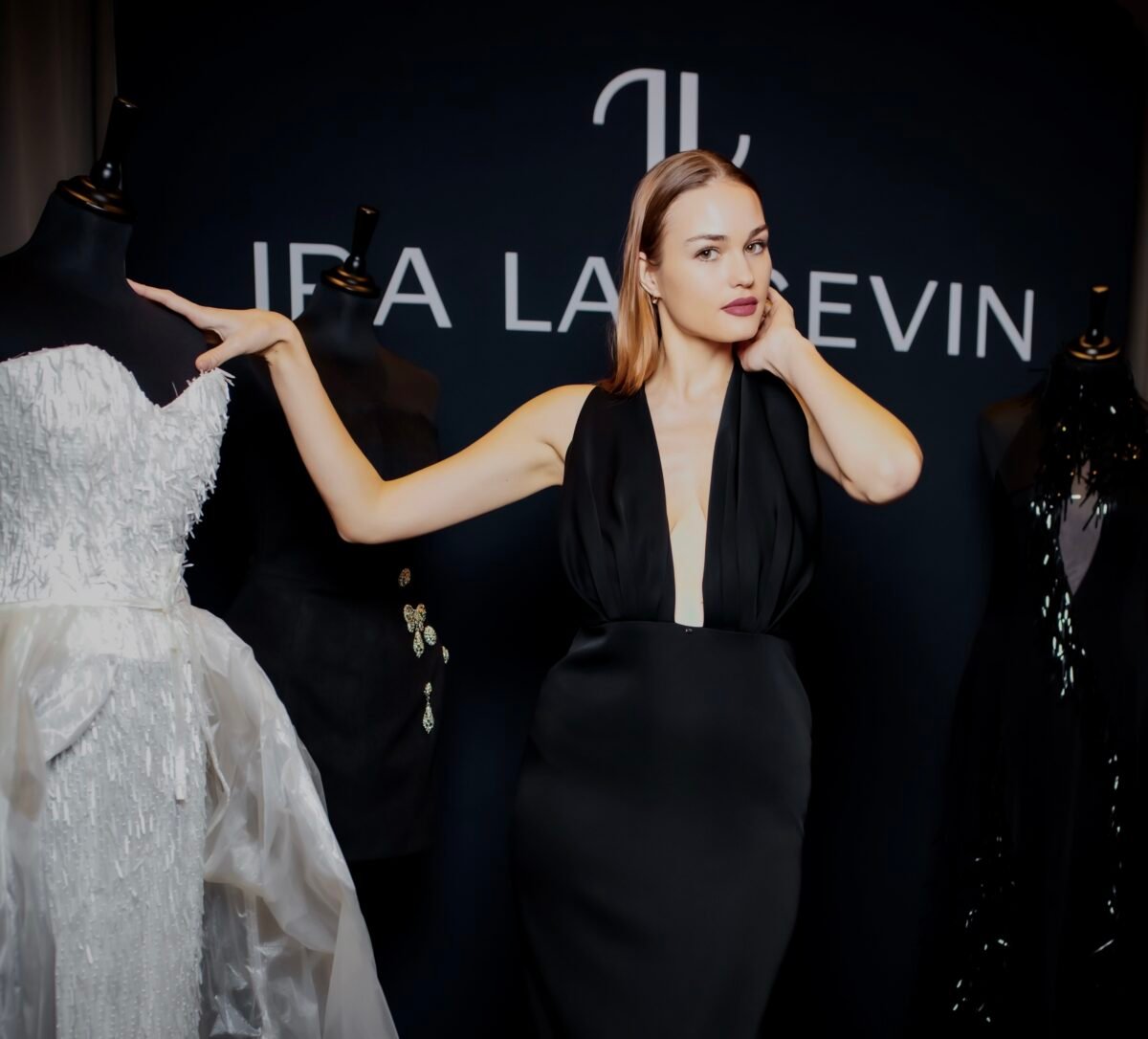
The first element that reflects my signature, meanings, and philosophy is, above all, the House logo. It is not just a sign — it is a talisman, a highly stylized code containing the philosophy of the brand: keys to individuality and to the uniqueness of the person.
Regarding techniques and details, my work is always built on a paradoxical dialogue between simplicity and complexity, conveying our style. I want a garment to unfold gradually — through its fit, movement, and tactile experience. It is couture that does not shout about itself, but speaks quietly and confidently, in the language of craftsmanship and meaning.
How important is handcraft in your collections?
Handcraft is foundational. It preserves a special presence of energy within the garment. I safeguard these traditions through a slow, deliberate process and a refusal to mass-produce.
What is the most technically challenging piece you’ve ever created?
I don’t like the word “challenging” — I prefer to call such pieces or situations “interesting.” We are speaking of extraordinary constructions, tens or hundreds of hours of work, and countless trials and refinements.


Currently, I am creating such a piece for Milan Fashion Week — Fortune 5. We are already in the fourth full iteration, changing fabrics, techniques, and solutions to preserve the purity of the construction idea. We will continue to revisit it until I see the ideal.
For me, this is not about difficulty — it is about fascination. It is the very process of navigating this complexity that makes me stronger and more experienced.
What do you want someone to feel when they wear an Ira Langevin creation?
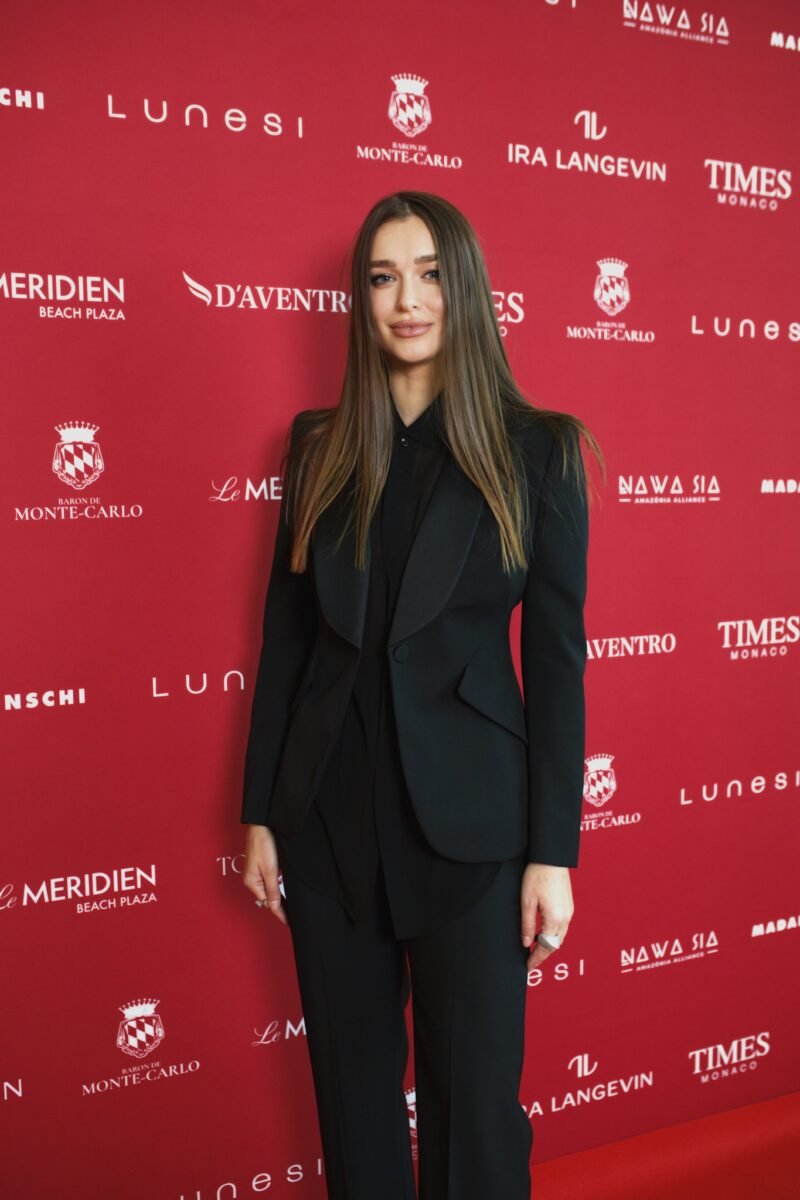
Strength — their own strength. A quiet alignment with themselves. When you wear a piece created specifically for you, imbued with countless hours of labor and energy, crafted from the finest materials, and existing in a single unique iteration, it serves to emphasize your uniqueness and the power of simply being.
Is there a dream collaboration or project you haven’t yet explored?
Previously, I worked in jewelry art. Now I want to bring this back to our House. This year, I am assembling a team of master artisans with whom we can co-create and produce authentic masterpieces.
If your designs could leave behind one legacy, what would you want it to be?
This is perhaps one of the most fundamental questions I have asked myself many times.
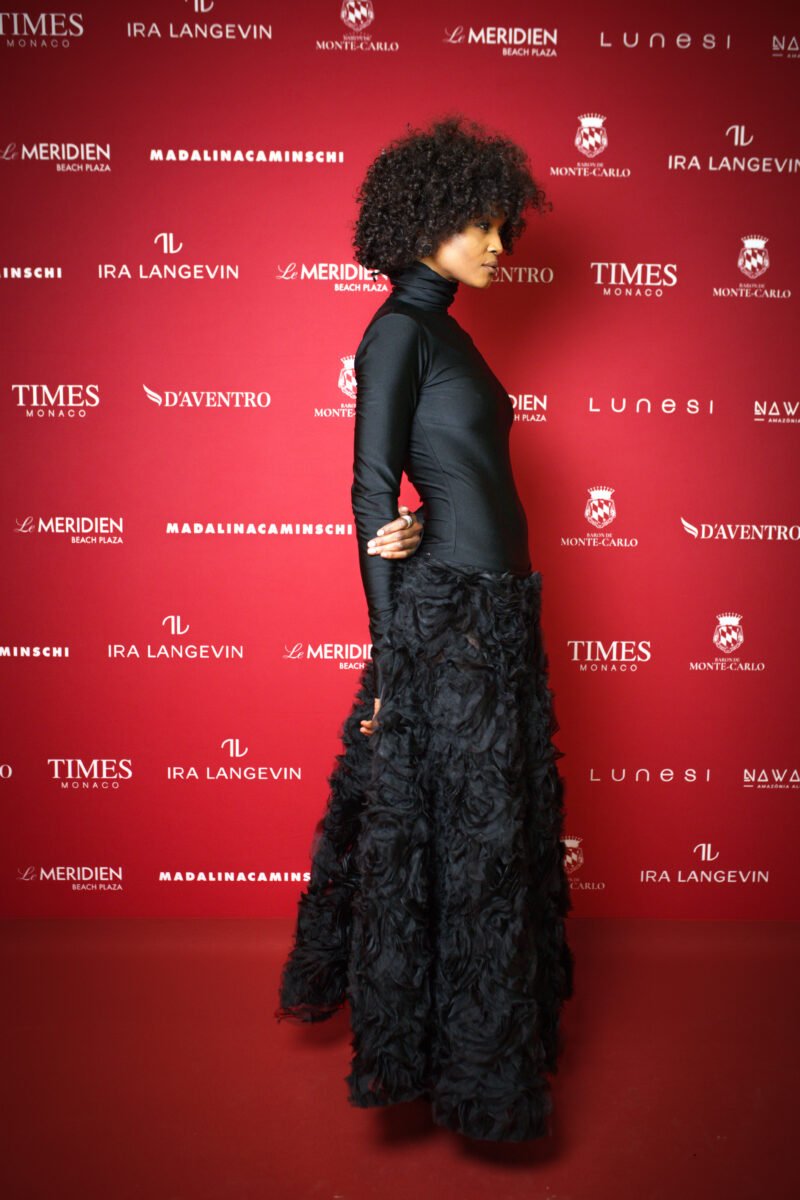
On a global scale, I would like to slow down fashion. The hyper-speed at which the industry operates today undermines the essence of couture. Acceleration is brilliant in technology, but there are realms where we should pause — to savor the beautiful opportunity to live and create here, on this earth. Couture, in particular, requires time and attention. It is not about trends, but about durability, the value of traditions, and the depth of human labor.
On a more personal scale, my legacy is directly connected to material and memory. Some time ago, I opened boxes of fabrics from my great-great-grandmother — handwoven silk and linen. It was almost a physical contact with my lineage. I touched the fabrics and could not comprehend how many hours of labor were contained within them, nor the energy that radiated from them.
Today, I crystallize my work to the point where I create pieces from such materials, at such levels of craftsmanship, that they can last for centuries — not just clothing, but cultural artifacts, eternal classics. So that through generations, when I am no longer here, IRA LANGEVIN exists as a testament to fidelity to true art, craftsmanship, and respect for human labor.