
Monaco Tops €10 Billion GDP Milestone as Population Reaches Record High and Economy Enters a New Phase of Growth
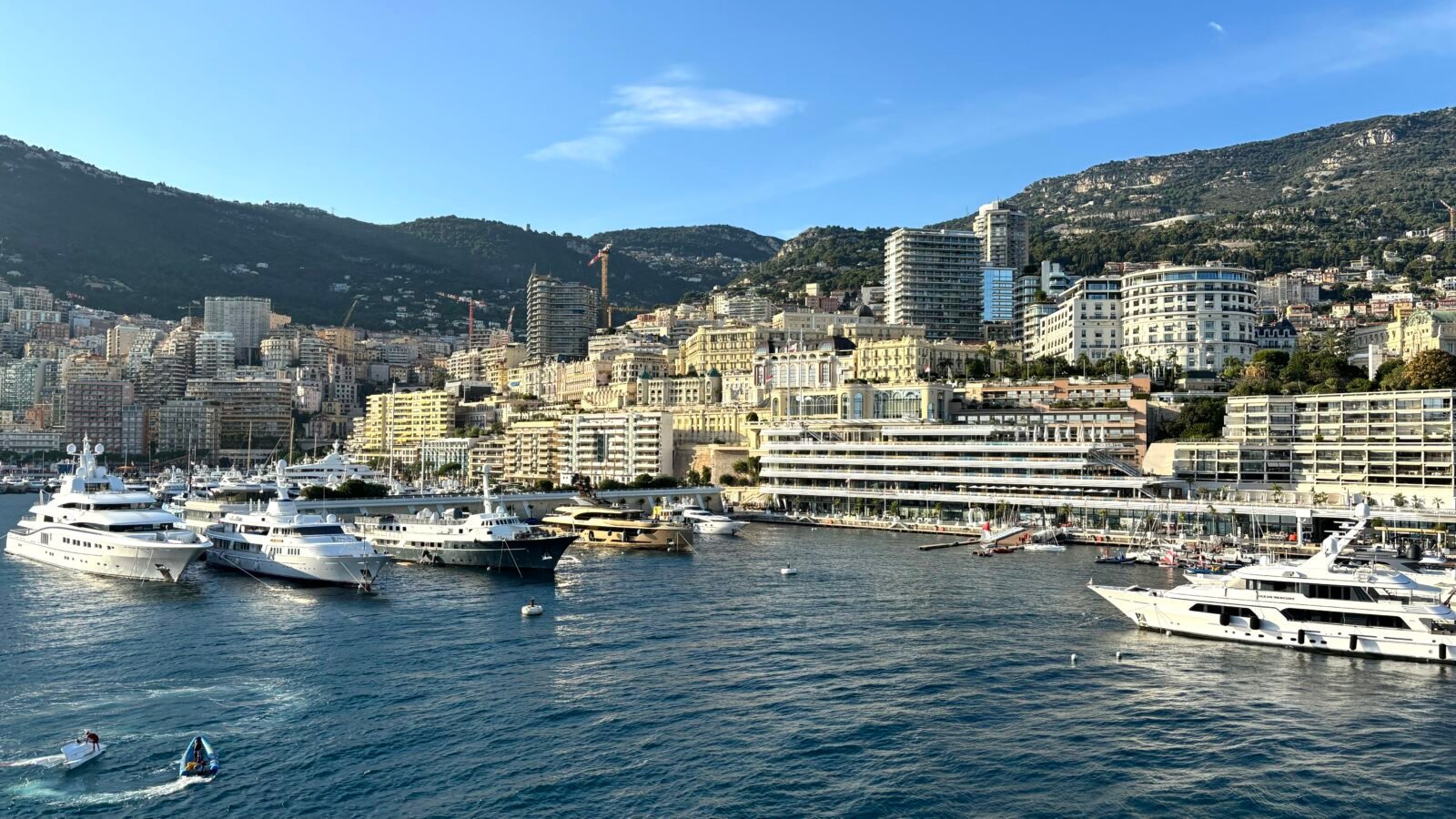
Monaco has entered a new chapter in its economic development, surpassing €10 billion in Gross Domestic Product (GDP) for the first time while recording its largest resident population on record. The latest edition of Monaco en chiffres 2026, published by the Monaco Institute of Statistics and Economic Studies (IMSEE), paints the picture of a Principality whose growth is no longer driven solely by recovery from the pandemic, but by rising productivity, sustained investment, demographic expansion and the continued diversification of its economy.
The report shows that Monaco generated €10.279 billion in GDP in 2024, representing 11.1% nominal growth and 8.8% growth in real terms after inflation. It is the fourth consecutive year of economic expansion and confirms that the Principality has not only recovered from the effects of the Covid-19 pandemic but has entered a period of sustained economic performance.
The figures also point to a more productive economy. GDP per capita reached a record €107,213, while GDP per employee climbed to €156,500, illustrating that businesses are generating increasing value through high-value activities rather than relying solely on workforce expansion.
High-value services continue to drive growth
Monaco’s economy remains firmly anchored in specialised service industries.
Professional, scientific and administrative activities generated €2.42 billion, representing 23.5% of GDP, making them the Principality’s largest economic sector. Financial and insurance activities followed with €1.80 billion, or 17.6% of national output, reinforcing Monaco’s position as one of Europe’s leading financial centres.
Construction was among the year’s strongest performers, with value added increasing by 23.8% to nearly €985 million. The sector continues to benefit from major urban development projects and high-end real estate investment. Hospitality also maintained its momentum, with accommodation and food services contributing €829 million, up 13.5%, reflecting strong tourism demand supported by Monaco’s international events calendar.
The report also highlights robust growth in manufacturing, public administration, education and healthcare, alongside continued expansion in information and communication activities. Together, these trends illustrate a broader transformation of Monaco’s economy, which is becoming increasingly diversified while retaining its traditional strengths in finance, luxury services and construction.
A significant methodological change accompanies this year’s publication. IMSEE has adopted the NAF 2025 classification, expanding Monaco’s statistical framework from 12 to 14 economic sectors. Information Technology, Telecommunications & Media, as well as Arts, Sports & Recreational Activities, are now treated as separate sectors, reflecting their growing contribution to the Principality’s economy.
Population reaches an all-time high
Economic growth has been accompanied by continued demographic expansion.
Monaco’s resident population reached 38,857 people in 2025, an increase of 1.1% compared with the previous year and the highest figure ever recorded. Since the 2008 census, the Principality has gained more than 3,500 residents, despite remaining one of the world’s smallest countries by land area.
The demographic profile reflects Monaco’s international appeal. Monegasques account for 24.0% of residents, while French (21.3%) and Italian (19.5%) nationals remain the two largest foreign communities. Together, residents of other nationalities represent 42.7% of the population, underlining Monaco’s position as one of the world’s most cosmopolitan jurisdictions. Notable increases were recorded among British, Canadian, American, Ukrainian and Cypriot residents during the year.
The population also reflects the Principality’s distinctive demographic structure. The average resident is 47.2 years old, while people aged 55 and over account for more than 43% of the population. At the same time, children under 17 represent 15.1%, demonstrating that Monaco continues to attract both established professionals and families. Women account for 50.8% of residents and men 49.2%, maintaining an almost even gender balance.
Monte-Carlo remains the Principality’s most densely populated district, accounting for 21.4% of residents, followed closely by La Rousse (20.6%) and La Condamine (14.0%).
Labour market stabilises after four years of expansion
While economic output continued to accelerate, employment entered a period of consolidation.
Monaco recorded 77,866 jobs in 2025, representing a modest decline from the previous year. Private-sector employment eased to 64,770 jobs, while public-sector employment continued to grow, reaching 5,393 employees. The number of self-employed workers also increased to 7,703, partially offsetting the reduction in salaried employment.
The figures suggest a labour market moving from rapid post-pandemic expansion to a more sustainable pace of growth. Since 2021, total employment has nevertheless increased by almost 13%, while GDP per employee has reached record levels, indicating that productivity is rising even as hiring moderates.


Accommodation and food services continued to recruit, reflecting Monaco’s thriving tourism sector, while professional and scientific services, finance and insurance maintained their role as key employers. The decline in employment was concentrated largely in administrative and support services, partly reflecting organisational changes and the introduction of the new economic classification rather than a broad-based weakening of business activity.
The report also highlights Monaco’s dependence on cross-border labour. More than 81% of private-sector employees commute daily from France and a further 8% from Italy, while only around 10% of employees reside within the Principality itself. This unique employment model continues to position Monaco as the principal economic engine of the surrounding Riviera.
Sound public finances reinforce economic resilience
The Principality’s fiscal position remains equally robust.
Government revenue reached €2.46 billion in 2025, while expenditure totalled €2.29 billion, resulting in another budget surplus of approximately €180 million. More than half of government revenue continued to originate from VAT-related commercial activity, illustrating the strength of domestic consumption and business activity.
Meanwhile, Monaco’s Constitutional Reserve Fund increased to approximately €8.0 billion, providing the State with substantial financial reserves to support future investment and long-term economic stability. The portfolio includes diversified financial assets, strategic property holdings and significant gold reserves, reinforcing Monaco’s reputation for prudent fiscal management.
A model built on quality rather than scale
Beyond the headline statistics, Monaco en chiffres 2026 reveals a broader structural shift. In a territory of just over two square kilometres, Monaco continues to expand not by increasing its physical size, but by generating greater economic value, attracting international talent and maintaining fiscal discipline.
Record GDP, a growing resident population, sustained investment, healthy public finances and resilient employment all point to an economy that is becoming increasingly sophisticated. Rather than pursuing growth through scale, Monaco is strengthening its position through high-value services, innovation, financial expertise and international attractiveness.
As global economic uncertainty persists, the Principality’s latest statistical portrait suggests that Monaco has entered a new phase of development—one defined not simply by recovery, but by long-term resilience, productivity and sustainable prosperity.