
Taylor Lorenz – an Influential Who Shapes Media, Marketing and Tech
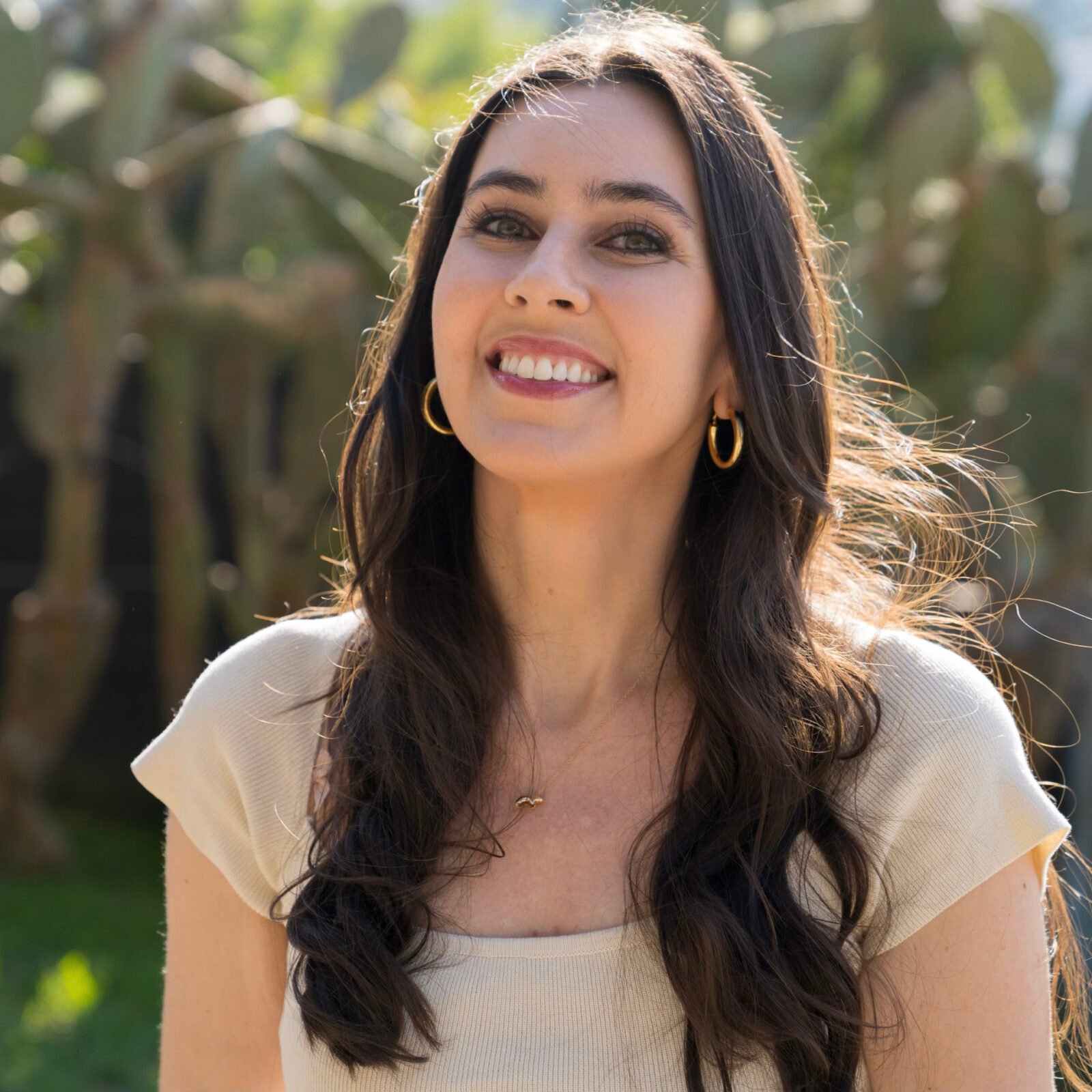
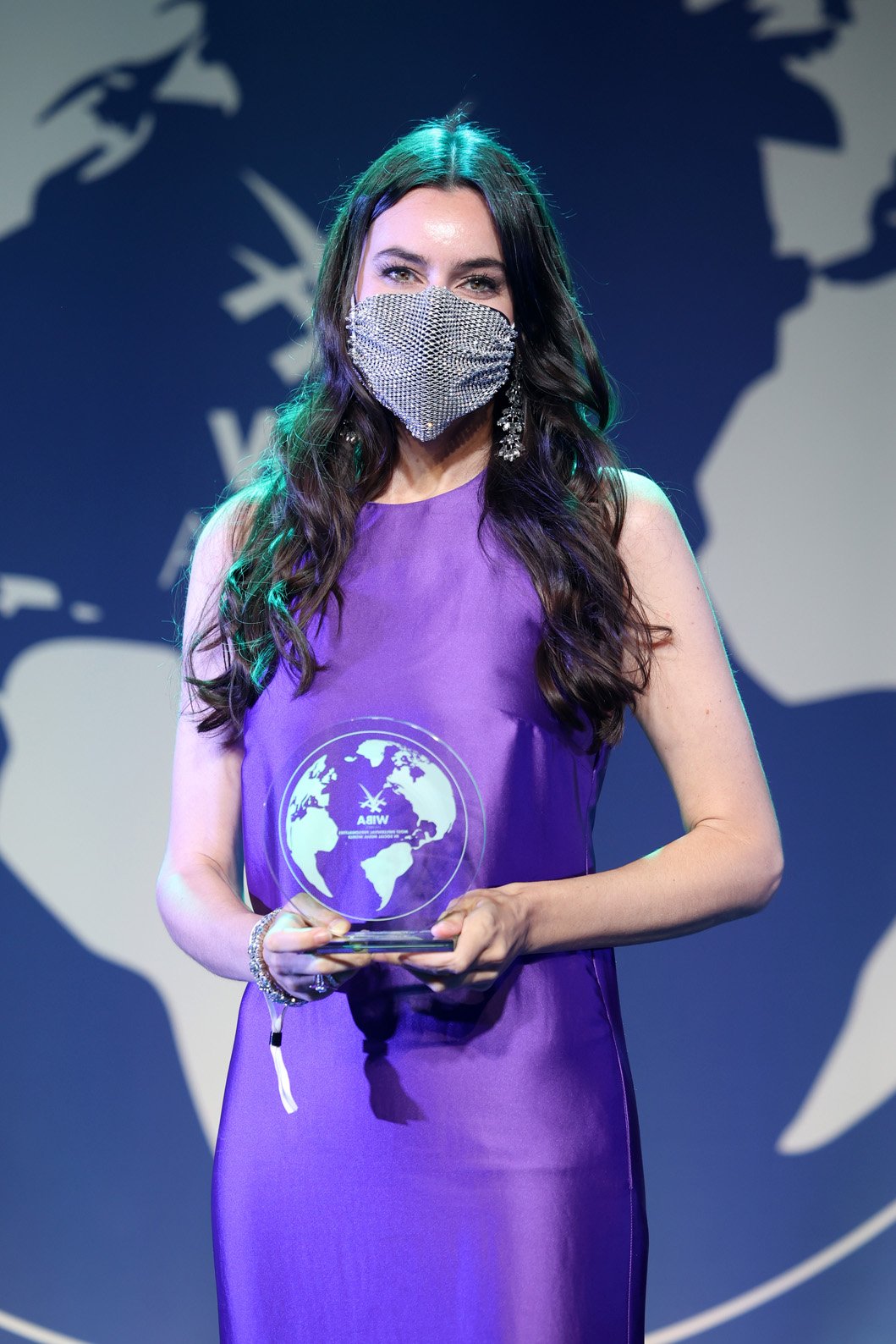
Taylor Lorenz is a prolific journalist and a columnist at The Washington Post covering the social media world. Before joining the Post, she wrote for The New York Times business section, The Atlantic, The Daily Beast, Rolling Stone, New York Magazine, and more. This year, Taylor was recognized by WIBA Awards as an Influencers Marketing and Tech Media Opinion Leader.
As a journalist covering the world of online influencers, how would you define influencers, and how do they differ from other people?
I would define influencers as individuals who have amassed a significant following and influence on social media platforms. They differ from other people in that they have cultivated a dedicated audience who looks to them for content, recommendations, and opinions on various topics. Influencers often specialize in specific niches such as fashion, beauty, fitness, technology, or lifestyle, and their online presence is built around creating engaging and relatable content.
How do you evaluate their level of influence?
Evaluating the level of influence of influencers can be subjective and dependent on various factors. Key metrics include the size of their following, engagement rates, reach, and the impact they have on their audience’s behavior, such as driving sales or promoting certain trends. I also take into account qualitative factors like the influencer’s reputation, credibility, and the level of trust they have built with their audience or whether their story relates to a bigger news story.
In what ways are influencers different from other forms of media?
Unlike traditional media outlets, influencers have a more direct and personal connection with their audience. They often engage in two-way conversations, responding to comments and messages, which fosters a deep sense of community. Influencers also have the ability to create content in real time, offering an authentic and unfiltered perspective, which many news organizations struggle to replicate. Influencers also often have a highly engaged and niche audience, allowing brands to target specific demographics more effectively.
Do you believe there should be organizations to regulate the activities of influencers?
Balancing the need for consumer protection with the creative freedom and entrepreneurial spirit of influencers is a challenge. Ultimately, any regulatory efforts should aim to strike a fair balance that benefits both the influencers and their audience. I do support legislation protecting child influencers or legislation that grants influencers more robust labor protections. Right now, most content creators are working for free with zero safety net.
Influencers often deny their status as bloggers or influencers, despite gaining fame through social media. If they aren’t influencers, how would you classify them? Is there another term to describe individuals with large audiences on social media, such as actresses, make-up artists, doctors, or activists who gain fame through their blogs? What is the common factor that unites them? Aren’t they all opinion leaders on the internet? So why do some feel ashamed of it?
While some influencers may resist the “influencer” label, preferring to be known by their specific profession or expertise, the common factor that unites them is their ability to captivate and engage a large audience on social media. Whether they are actors, make-up artists, doctors, activists, or any other profession, the term “influencer” acknowledges their significant impact in the digital realm. Ultimately, the negative stereotypes associated with the word influencer comes down to misogyny. The word influencer is synonymous with women, and a very feminized industry, and so many men have been reluctant to claim it. Some other people simply desire to be recognized for their specific skill set rather than their online presence.
The fashion industry seems to resist acknowledging the significance of influencers and attempts to prevent their presence in snobbish ways. How would you explain this discrimination, considering that many fashion influencers have indeed become celebrities?
I think, at this point, the fashion industry is accepting influencers more and more. Even Kim Kardashian and other influencers have graced the pages of Vogue. That said, there is a traditional gatekeeping mentality within the fashion industry, where established fashion institutions and brands may be resistant to change and the democratization of influence brought by social media. The rise of influencers challenges the dominance and exclusivity of traditional fashion media, leading to tensions between the old and new guard. But, it’s worth noting that many fashion influencers have indeed become celebrities in their own right, showcasing the increasing significance and impact they have in shaping trends and consumer behavior.
Why is it considered more prestigious to be an actress or TV presenter than to be an influencer, despite their similar work and significance?


Well, I’d say this is changing and those lines aren’t there as much these days. Many top casting agents in Hollywood are increasingly looking to hire influencers for acting roles, and so on. But acting and presenting have long been regarded as highly esteemed professions associated with talent, skill, and the glamor of the entertainment industry. Whereas the relatively recent emergence of influencers and the democratization of fame through social media is still viewed by some as less legitimate or less established, simply because it’s newer and more democratic.
Could you share your impressions of your trip to Cannes? What surprised you and what did you enjoy?
I was blown away by Cannes! I had never been before and I couldn’t believe its natural beauty. It was a special treat to be there during the film festival and to witness all the glamour the city had to offer. The food in Cannes was also spectacular.
Regarding the WIBA Awards Gala Ceremony, which influencers stood out to you and who appeared as an interesting personality? Could you explain why?
The influencer who stood out to me most at the WIBA Awards Gala Ceremony was Iuliia Mendel, president Zelensky’s former spokesperson. She gave an excellent speech about children who have been orphaned by the war, and I’m so inspired by her voice and how she was able to speak up for her country and the causes she cares about. In my mind, she’s the quintessential example of a world changing influencer.