
The Cultural Cartographer: Sean Go
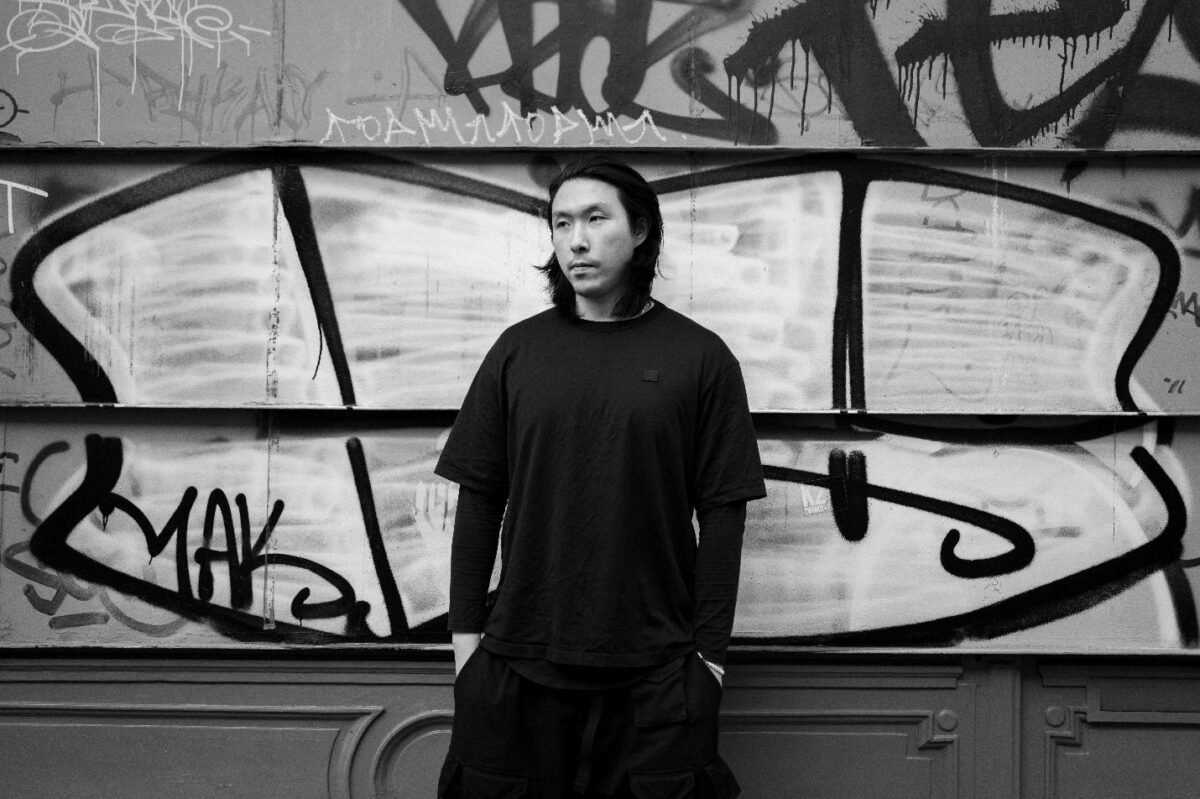
To gaze upon the art of Sean Go is to be presented with a map of a world in flux. His canvases are not mere paintings but intricate atlases, meticulously plotting the intersections of history, identity, and global pop culture. Go’s work reveals an artist who acts as a cultural cartographer—a master of charting the coordinates where a Filipino-Chinese heritage meets a Western education, and where personal memory becomes a new kind of mythology. His story proves that the most enduring art is born from a deep, personal quest for equilibrium amidst chaos.
The foundation of this unique cartography was laid in a childhood defined by pragmatic discipline and imaginative escape. Go’s upbringing was a study in practical geography, steeped in a Filipino-Chinese heritage known for its entrepreneurial spirit. This was not a theoretical lesson; it was a birthright.
Both of his grandfathers were successful businessmen, a legacy that runs deep in his family’s DNA. He experienced this world firsthand, working in his family’s hardware store, Hap Suy Hardware, and doing accounting for his mother’s business. These were his first lessons in value and logistics, taught through the tangible reality of commerce. He was also a product of his mother’s pragmatic, unyielding love, which, in a memorable example, forced him to swim for nine years on the school swim team with the simple justification that he needed to be prepared in case the plane ever crashed.
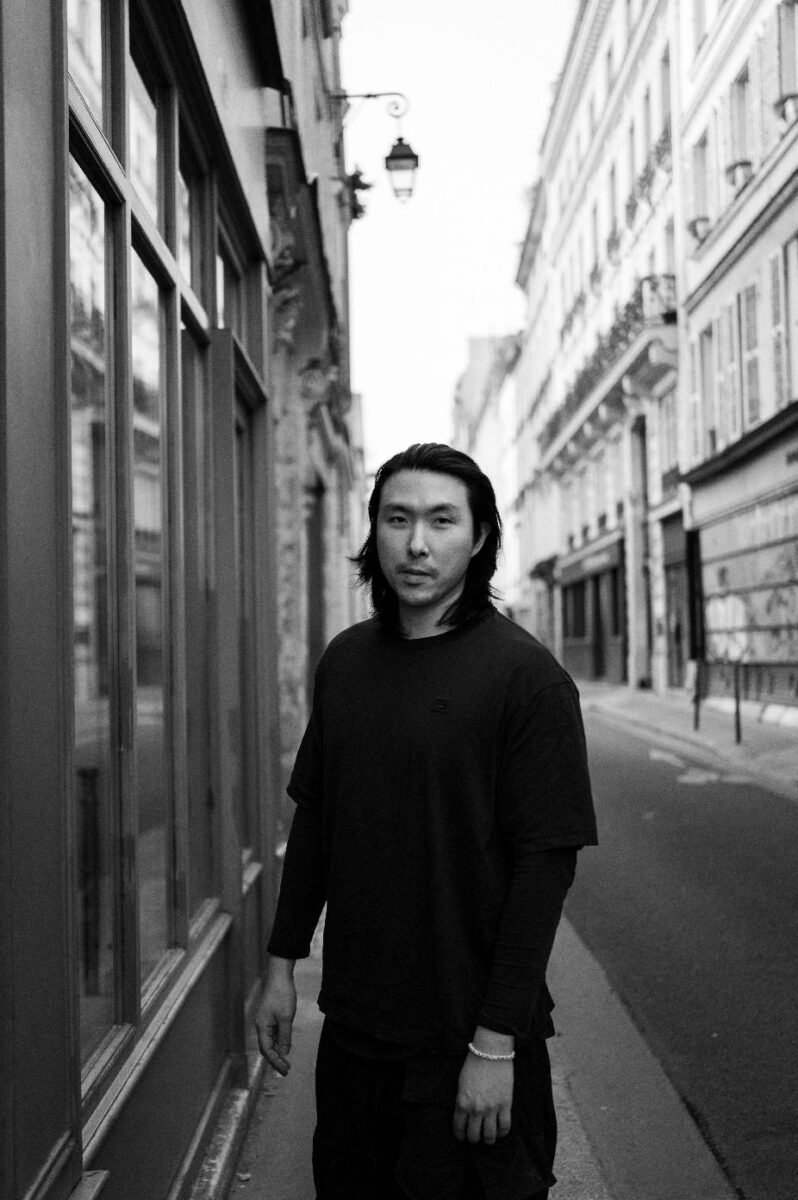
Yet, this disciplined rigor was balanced by a rich creative life at home. He and his older brother, Jorge, learned to play the flute, piano, and recorder, an early immersion in the structured beauty of music that would later find a parallel in the methodical compositions yet jazzy characteristics of his art.
In his free time, Sean charted his own territories, losing himself in the fantastical worlds of video games like Skyrim and Mass Effect and meticulously drawing anime characters from Naruto, Bleach, and Dragon Ball—an act of youthful appropriation that was, in hindsight, the very beginning of his artistic journey.
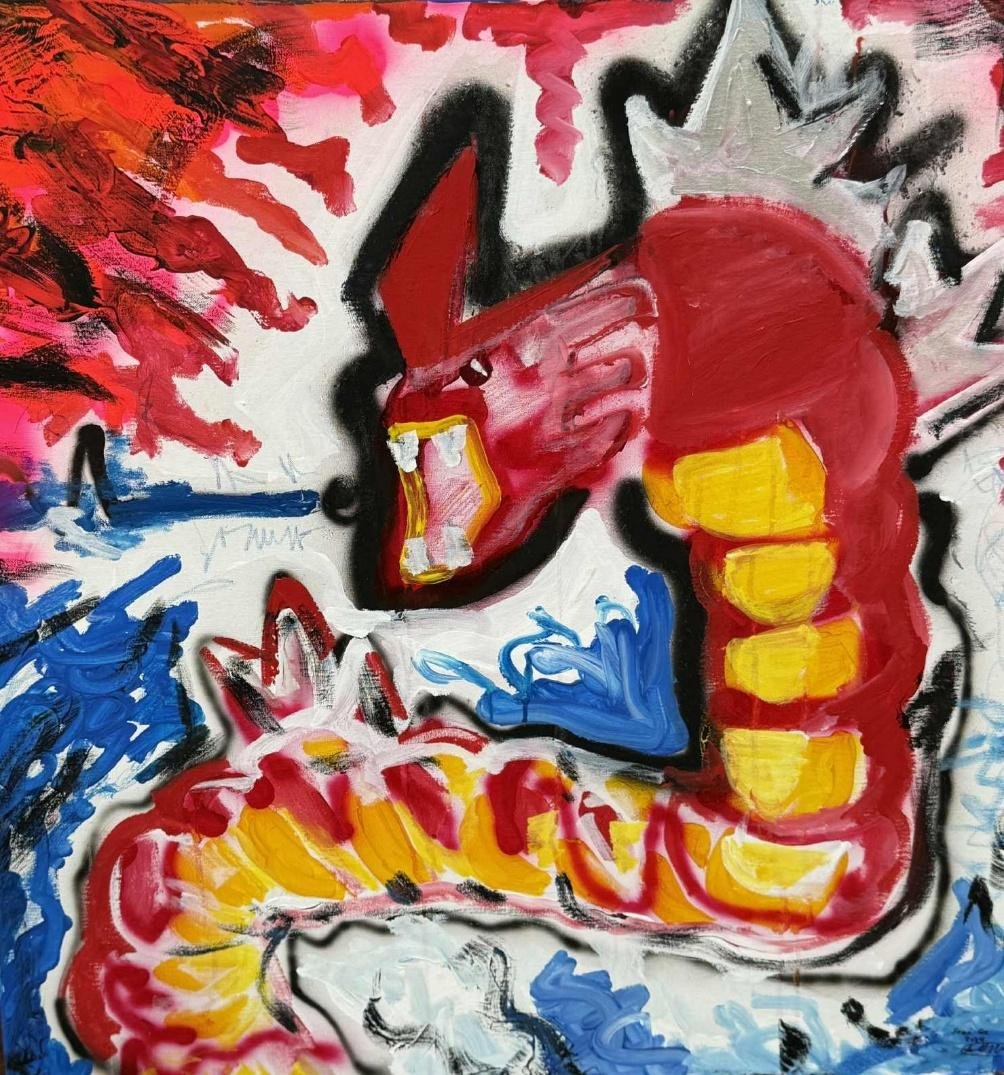
It was during these formative years that Go was first introduced to a more profound kind of cartography: the visual language of art. His grandfathers’ art collection was an early, powerful source of inspiration. He grew up surrounded by the works of Philippine modern masters, including the explosive cubism of Ang Kiukok, the elegant forms of Federico Aguilar Alcuaz, the vibrant compositions of Jerry Elizalde Navarro, and the colorful abstractions of Oscar Zalameda. This exposure provided an invaluable education in texture, form, and emotion, demonstrating how an artist could reconstruct the world with a distinct national voice. This is why his art resonates with a historical weight—it is a conversation with the masters who came before him, reimagined through the lens of a globalized, digital age.
Go’s academic journey was a masterclass in mapping the geopolitics of culture. At the University of California, Berkeley, he graduated with a rare triple major in Business, Economics, and Geography in just four years, a feat of intellectual discipline.
Following in his father’s footsteps, Go continued his education at Columbia University, where he learned from titans of New York real estate like John Lyons, Johnny Din, and Patrice Derrington. From them, he learned not just about property, but about the intangible concepts of value, space, and influence—the very same elements that define the art world. Go’s time at New York saw him see a rise in popularity among NYC collectors, many of them belonging to his network of Ivy League and associated schools in finance, real estate, and law.
This powerful blend of business acumen and artistic sensibility was further refined through crucial mentorships. He was guided by Jaime Ponce de Leon, the founder of León Gallery, a premier auction house that has elevated Filipino art on the global stage. From Ponce de Leon, Go gained an invaluable understanding of the high-stakes world of fine art and its market trajectory. His artistic path was also strategically managed by Derek Flores of DF Art Agency, an art director who helped shape his professional brand and navigate the international art scene. These relationships illustrate that Go’s success is a deliberate, strategic enterprise, and that his art is a calculated, beautiful product.
His pursuit of art was never a deviation from this path, but a natural extension of it. At Parsons, his artistic sensibilities were deepened through archival research with the Fondation Alaïa and Schiaparelli, where he learned to chart the history and cultural weight of an object with the precision of a historian.
This led to his thesis on the representation of heroes like Shang-Chi and Wong, a project of cartographic correction that sought to redraw a landscape that had historically left his people on the margins. His thesis covered how costumes often found inspiration in culture, yet these visual means of representation are constantly evolving and changing in meaning, depending on the journeys of the garment wearers.
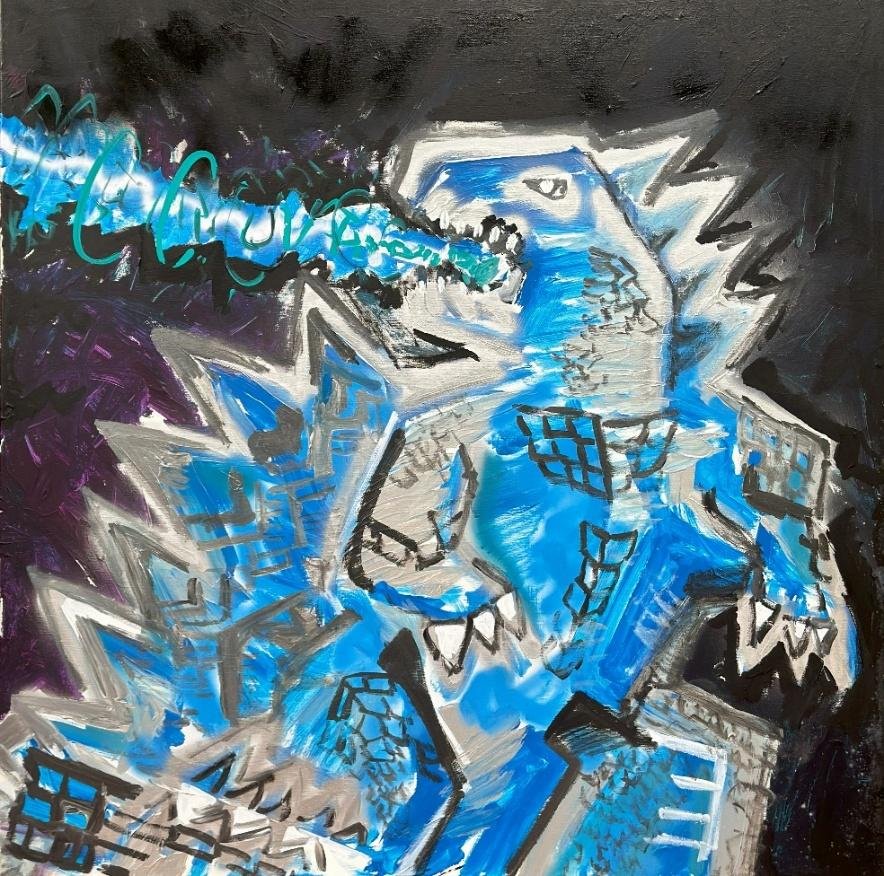
Go’s creative influences also come from an unlikely source: bootleg toys from Manila. These “dupe” figures, with their imperfections and chaotic re-appropriations of Western culture, are a central inspiration, celebrating a unique Filipino spirit of resourcefulness and artistic reinterpretation.
The most profound layer of Go’s narratives, however, is a deeply personal one. Go lives with a trifecta of physical conditions—vestibular imbalance, hyperacusis, and hyperhidrosis—that have a direct and powerful influence on his art. Vestibular imbalance, which disrupts his sense of physical equilibrium, finds its artistic parallel in his “chaotic,” rule-defying brushstrokes and compositions that reject rigid perfection. It is a visual search for balance in a world that physically lacks it. His hyperacusis, a heightened sensitivity to sound, is a constant state of sensory overload.

This internal experience is visually translated in the frenetic energy and vibrant, clashing colors of his canvases, which can feel both exhilarating and overwhelming—a direct reflection of the world as he experiences it. His hyperhidrosis, a condition of excessive sweating, is a hidden physical burden that can lead to social anxiety, yet it is metaphorically present in the fluidity and movement of his paint, a subconscious release of a contained physical reality. These conditions transform his art into more than a visual product; they make it a deeply personal expression of his sensory and psychological world, a quest for control in the face of an unpredictable body.
One such example of Go’s body of work is his recent exhibit at Amsterdam titled “Electric Love.” This exhibit, titled “Electric Love,” served as a dynamic fusion of Go’s signature appropriation art and a heartfelt exploration of human connection and unity. Rather than a static display, the Amsterdam show evolved into a multi-sensory experience featuring live musical performances to emphasize the theme of celebrating diverse voices. The event successfully presented the core philosophy of Electric Love by showcasing the talents of the captivating duo Animal Du and the distinct folk narratives of Singaporean singer-songwriter Lincoln Lim, effectively using this curated diversity to champion the message of seeing and embracing the best in people across different artistic and cultural spectrums.
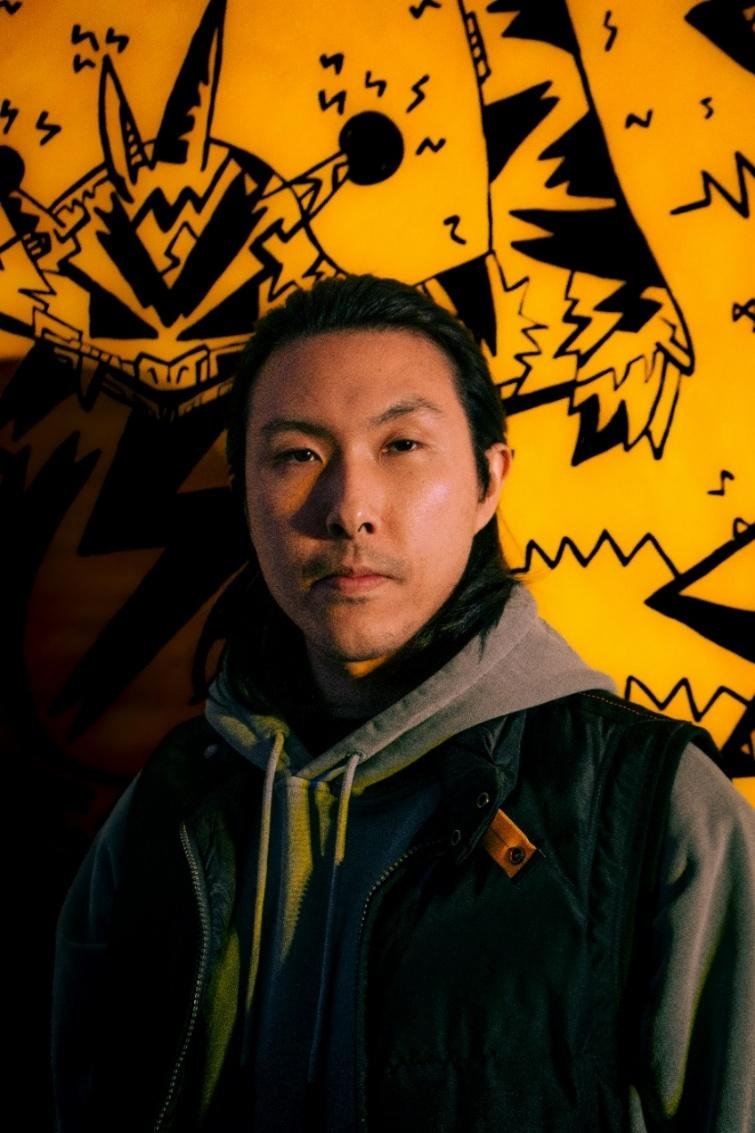
Beyond Go’s artistic journey of painting and his own craftwork, he is also a quiet but firm patron of the arts himself, having collected works from fellow artists like Deborah Crerezko, Obags, Anna Bautista, Martin Honasan, and Demit Omphroy, demonstrating that he is not just a creator but an active participant in the ecosystem he helps to define.
Ultimately, Sean Go’s success is a vital continuation of the most celebrated tradition in Philippine art: that of the Global Filipino Artist. Much like the nation’s heroes Juan Luna and Félix Resurrección Hidalgo captivated 19th-century Europe, and later National Artist Federico Aguilar y Alcuaz honed his modernist vision in Spain, Go’s multifaceted, internationally-educated career translates the Filipino experience to the world stage. By mastering the language of global capitalism and consumer culture, then remixing it with Filipino heart and wit, Go ensures that the Philippine voice remains vital, visible, and critically engaged in the 21st century’s most important artistic dialogues.
Sean Go is more than an artist; he is a strategist, a historian, and a storyteller who has given a voice to a new generation, proving that the most authentic and enduring art is often born from the courage to find a place for oneself in a narrative that was never meant to be your own.