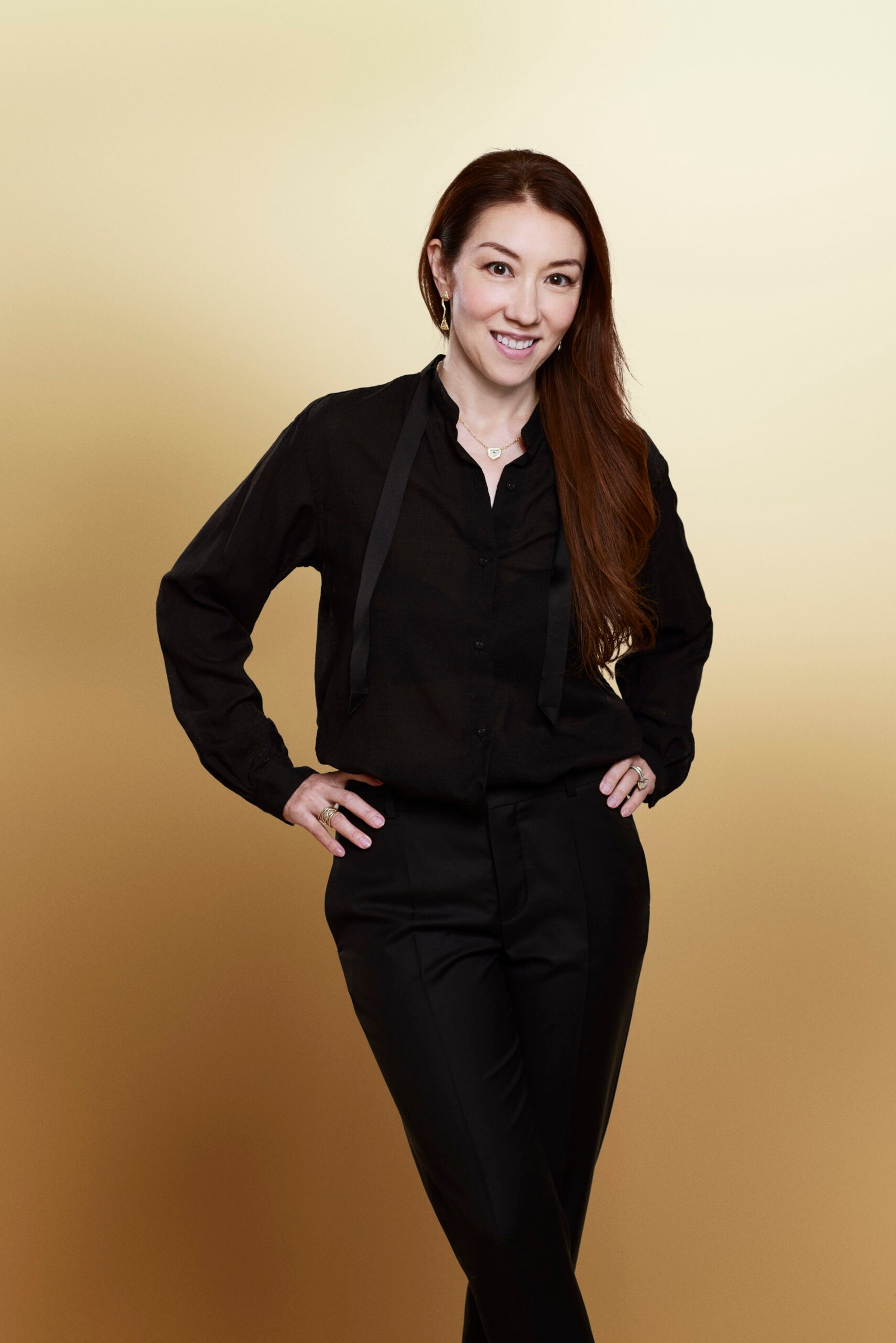
An Artistic Legacy in Fine Jewelry: An Interview with Melissa Sakamoto
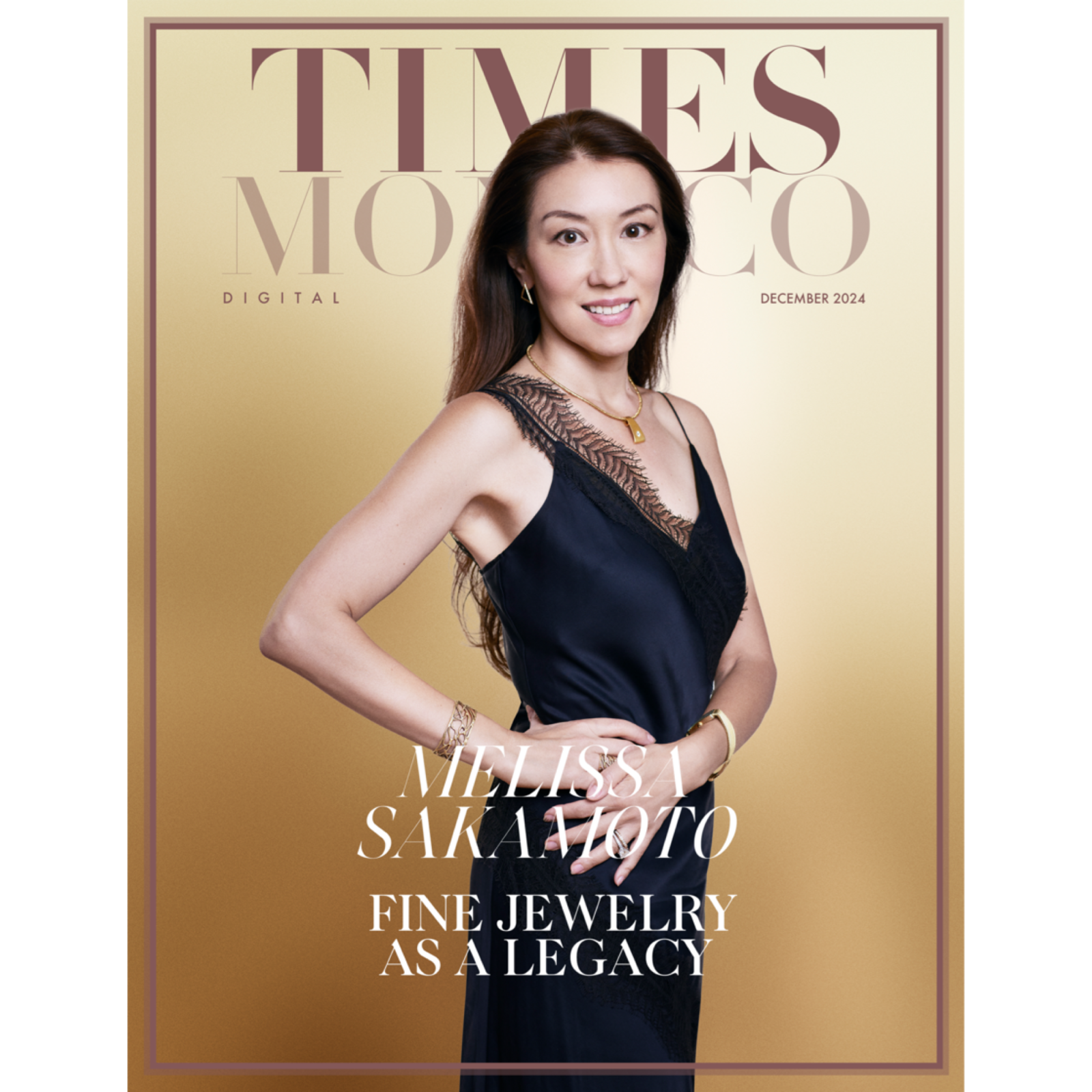
In the world of fine jewelry, few designers capture the intersection of artistry and craftsmanship like Melissa Sakamoto. Her organic designs, inspired by nature and steeped in family tradition, evoke both elegance and innovation. In this interview, Melissa reflects on her journey from childhood creativity to becoming a celebrated jewelry artist, her design philosophy, and the inspirations behind her unique pieces.
Can you tell us about your earliest memories in the family business and how they influenced your journey into fine jewelry?
I grew up in a deeply creative environment. My father was a guitarist and singer-songwriter before becoming a jewelry artist, so our home was always filled with artists, musicians, and architects. Family dinners often ended with impromptu bands, and we kids would dress up and put on skits for the adults. It was a marvelous way to grow up—creativity was always encouraged.
I watched my father paint backdrops for his displays, take photos with his Leica, and even experiment with burning metal for less conventional effects. I often assisted with these projects, and I loved the trial-and-error process. My own games revolved around nature—I’d collect rocks and seashells, imagining them as jewels. Later, I found a love for molding clay, which eventually led me to work with wax, a medium that allowed me to create intricate, small designs cast in precious metals. Those early days shaped my creative spirit and my passion for freeform experimentation.
How did your experiences in ceramics, photography, and drawing shape your design philosophy and aesthetic in jewelry creation?
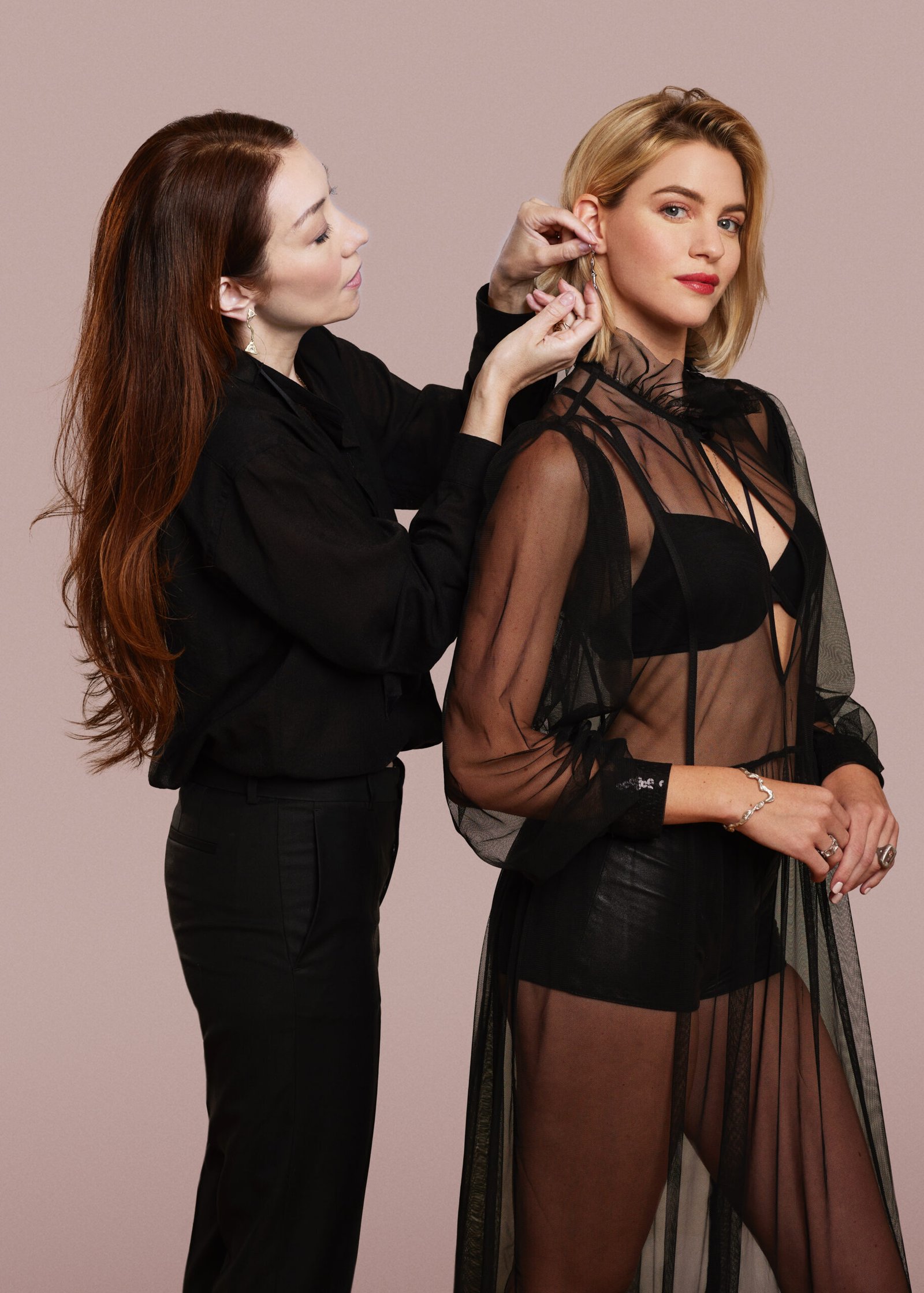
I’ve always seen the world in 3D. Ceramics and photography taught me to view my work from every possible angle, which is integral to my jewelry designs. Today, many designers use CAD software, which often focuses solely on a top-down perspective. For me, the sides, back, and overall comfort are just as important. My pieces feel like they are molded to the body because I try them on during the process, ensuring they feel as good as they look.
Your pieces are known for their organic shapes and unique textures. Can you walk us through your design process?
The stones are always my starting point. My father taught me that if I don’t immediately envision a design when I see a stone, it’s not the right one. I’ve lived by this advice. When a stone resonates with me, shapes and textures seem to flow naturally. It’s an intuitive process— hours spent shaping wax or metal around the stone until the design feels complete.
How do you select the rare stones that are integral to your creations? What role do they play in your artistic vision?
I’ve had a passion for stones since childhood. My father would challenge me to choose the “best” stones, and while we didn’t always see eye to eye, it taught me to see their unique qualities.
Today, I look for a certain “fire” in a stone—a sparkle that speaks to me. When I find the right stone, it almost feels alive, and it sets the entire design process in motion.
 Can you share a particular piece you’ve designed that holds special significance for you? What was the inspiration behind it?
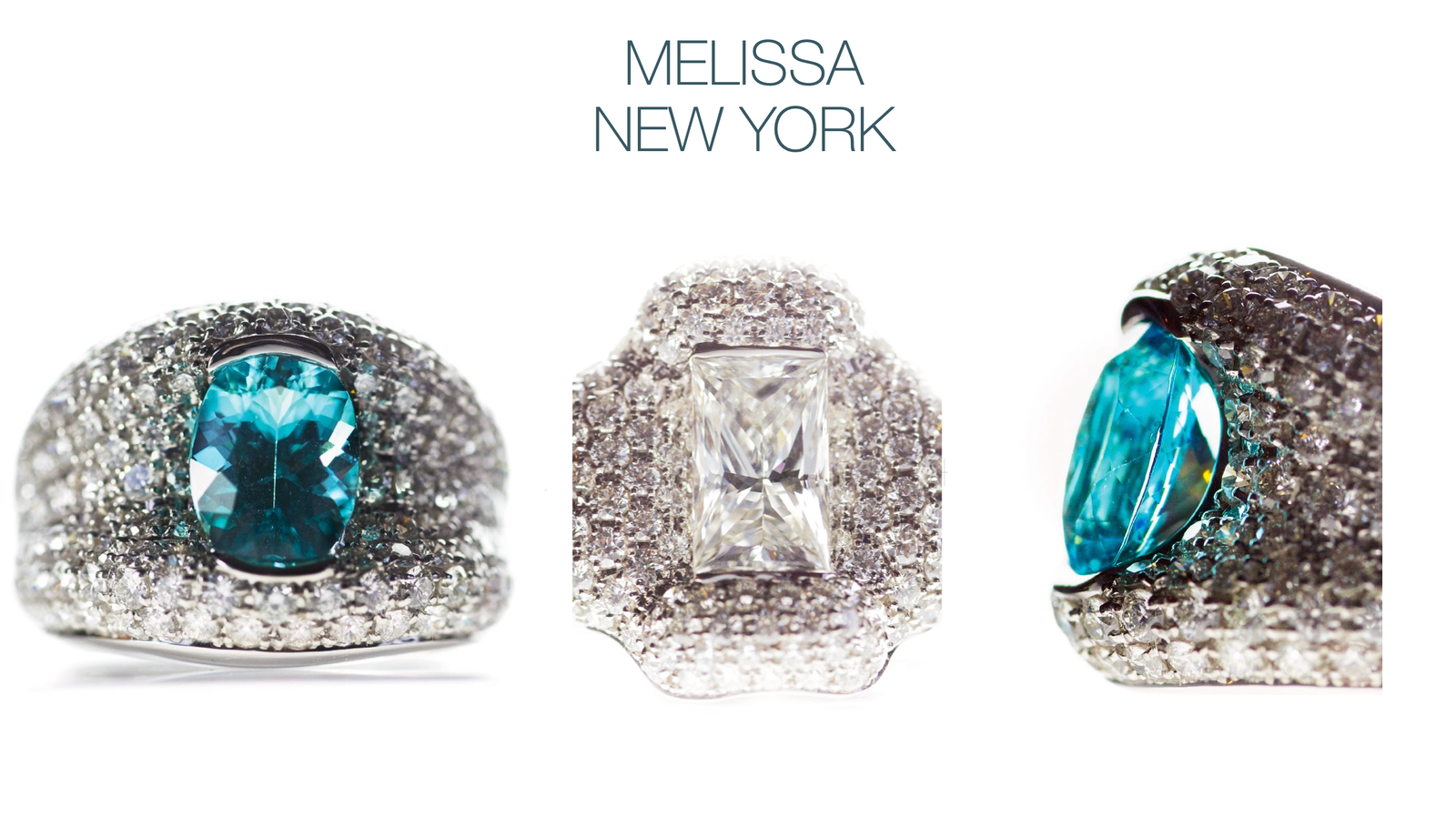
A three-stone tourmaline ring I created with my father stands out as one of the most meaningful pieces. He showed me how to play with undulating designs around the stones, proving that even with a limited budget, the result could be extraordinary. That experience taught me to push the boundaries of design and imagination.
How do you balance the demands of modern customers with the traditional craftsmanship your family atelier represents?
It’s a balance that seems to come naturally. My clients often come to me because they want something beyond commercial jewelry—they’re looking for designs that combine modernity with old-world craftsmanship. The process is highly personal, with months of communication to ensure the final piece exceeds expectations. This relationship with my clients is as rewarding as the creation itself.

How do you see the fine jewelry market changing, especially with the rise of sustainability and ethical sourcing?
I think the rise of sustainability and ethical sourcing are marketing concepts that resonate with this generation. Most precious metals are already recycled, and my diamonds come from trusted sources in Antwerp that adhere to the Kimberley Process. This is also what differentiates my works from other independent designers who may not have access or knowledge of the origin, handling and evaluation of stones.
What are your plans for the future of Melissa New York? Are there any upcoming collections or projects you’re particularly excited about?
I’m excited to create more dramatic pieces using stones I’ve collected over decades. These stones are waiting for the right designs to bring them to life. I’m also looking forward to my solo Christmas Collection in Tokyo this December and my spring show in New York, where I’ll showcase vibrant, colorful gemstones perfect for the season.
How do you maintain your creativity while running a business that requires so much attention to detail and customer satisfaction?
I focus on one piece at a time. High-end clients expect—and deserve—my full attention, and their needs often push me to grow as an artist. Sometimes the most challenging clients inspire the most innovative designs, and I thrive on that dynamic.
What message do you hope your jewelry conveys to those who wear it?
I hope my creations bring joy and peace, reminding the wearer to find happiness in the smallest details of life. Every piece I make is infused with love and a prayer for daily contentment.