
Auberge du Jeu de Paume: The Most Elegant Gateway to Chantilly
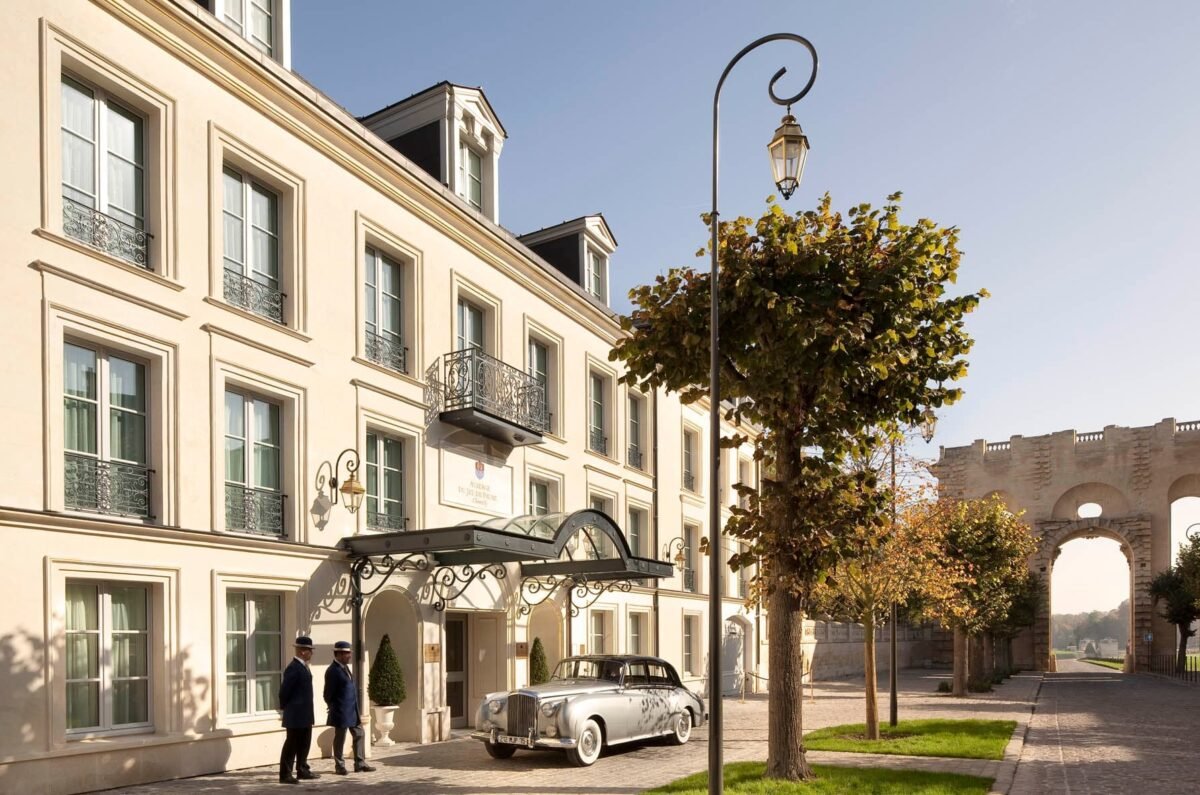
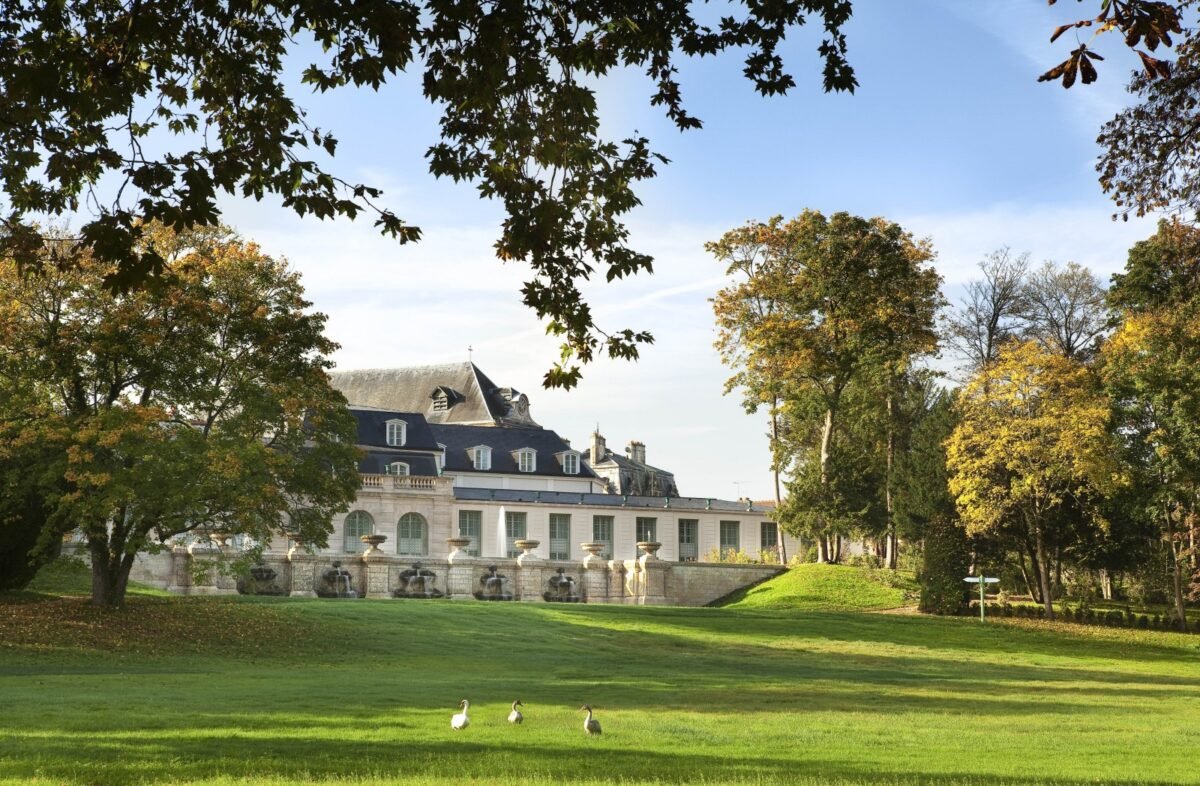
There are few places in France where history feels quite so alive as Chantilly. Just beyond Paris, this princely estate unfolds across formal gardens, ancient forests and one of the country’s most magnificent châteaux, where masterpieces by Raphael, Poussin and Ingres hang in rooms that have changed little for centuries. Opposite the celebrated Grandes Écuries, Auberge du Jeu de Paume occupies an enviable position at the very heart of this remarkable landscape, offering an elegant retreat where heritage and contemporary luxury exist in perfect harmony.
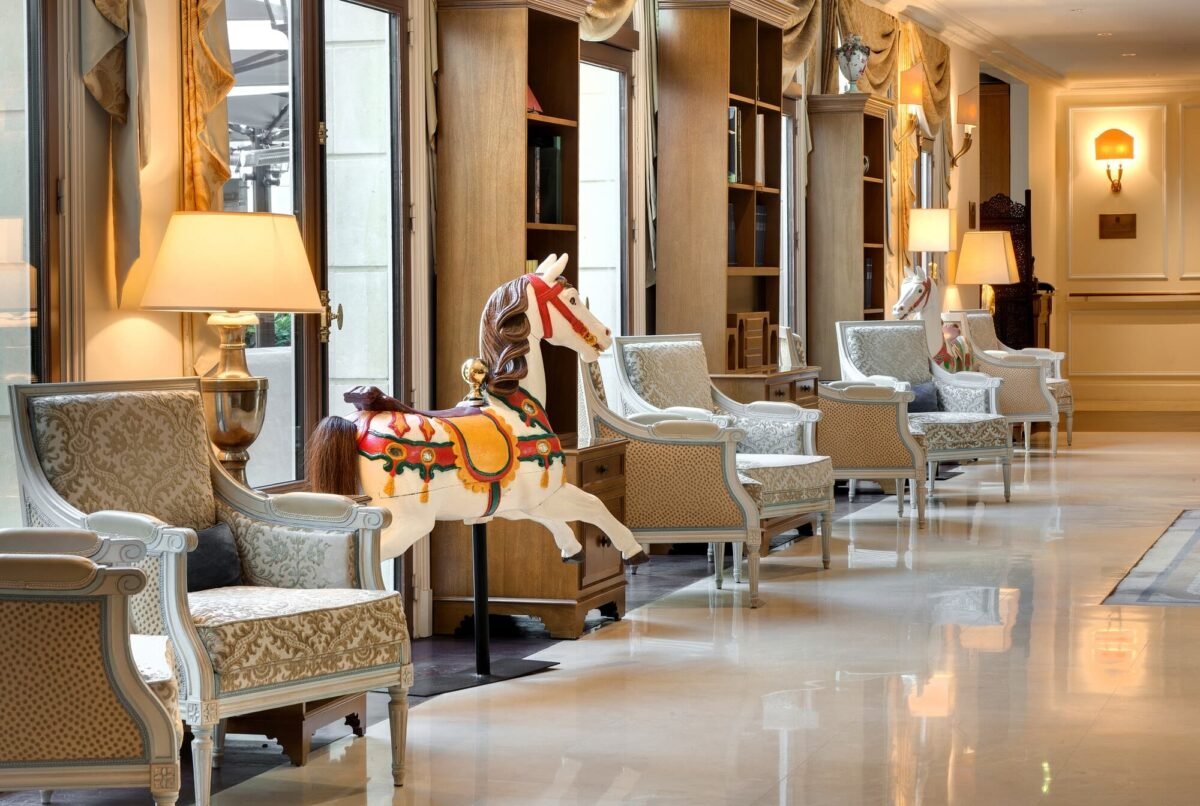
Inspired by an 18th-century mansion, the hotel draws its name from the royal Jeu de Paume court commissioned by Louis-Joseph de Bourbon, Prince de Condé, in 1756. Long before lawn tennis was invented, French aristocrats gathered here to play the game that captivated Europe’s royal courts. Today, that same sense of quiet grandeur lingers throughout the property, where marble fireplaces, silk-covered walls and polished wood create interiors that feel less like a hotel than a distinguished private residence.
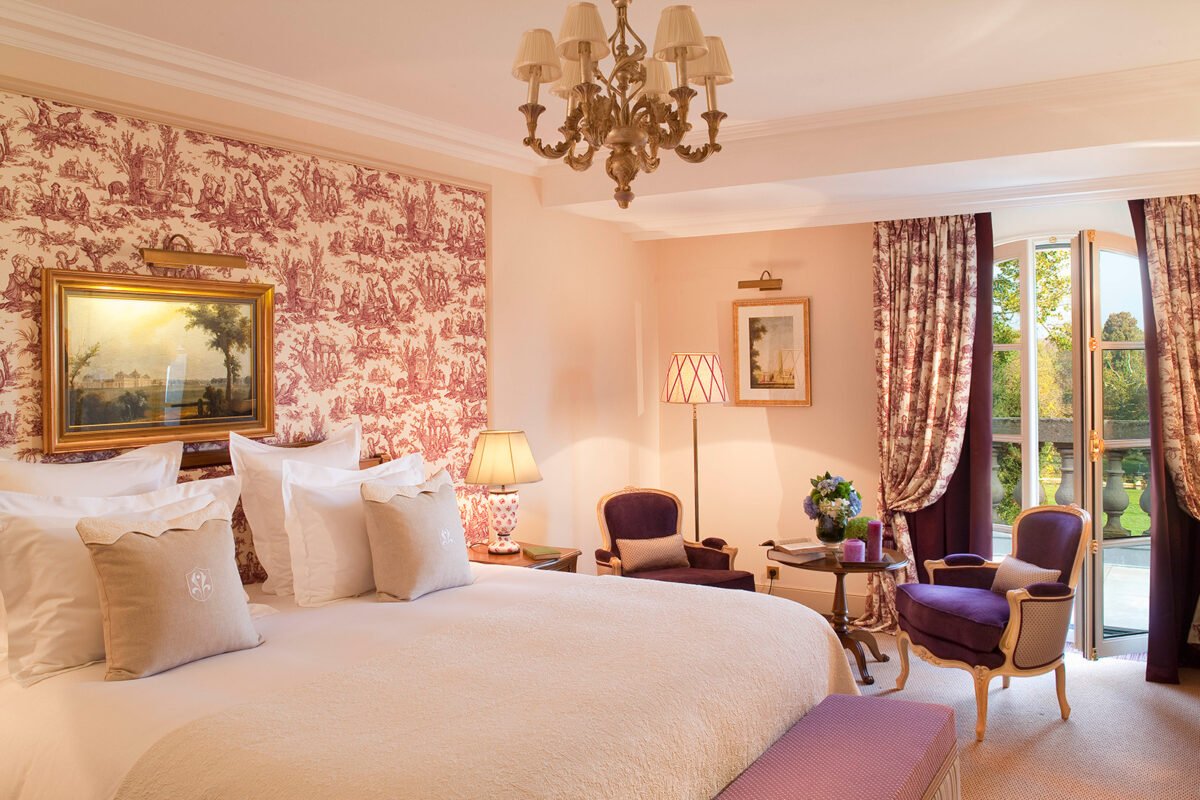
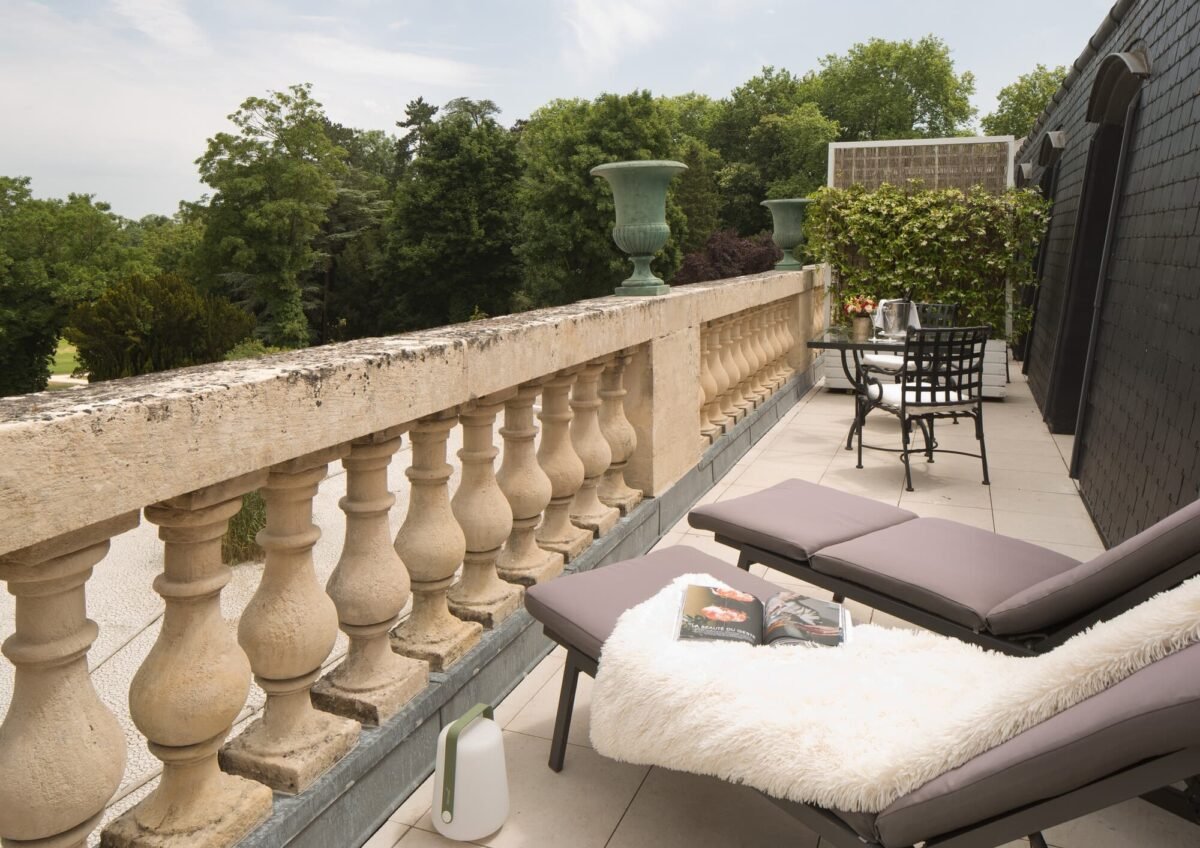
Among its finest accommodations, the Suite Diane is the address to request. Classical without feeling theatrical, it combines Louis XV-inspired furnishings with understated contemporary comfort. The true luxury, however, lies beyond the French doors. From its private terrace, the gardens of the Château de Chantilly unfold like a living painting, stretching towards the estate where one of French gastronomy’s great est legends was born.
In 1671, François Vatel, maître d’hôtel to the Prince de Condé, orchestrated an extravagant celebration in honour of Louis XIV. Convinced that a delayed fish delivery would ruin the festivities, he took his own life before learning that the shipment had arrived moments later. His tragic pursuit of perfection has become one of France’s defining culinary myths, and standing on the Suite Diane’s terrace, overlooking the same landscape, it is impossible not to reflect on the extraordinary standards of hospitality that continue to shape French luxury today.
The Art of Dining at Le Jardin d’Hiver
Dining at Le Jardin d’Hiver is as much about atmosphere as it is about technique. Flooded with natural light by day and glowing softly after dusk, the restaurant embraces a refined approach to French cuisine, where impeccable ingredients and classical craftsmanship take precedence over culinary theatrics.
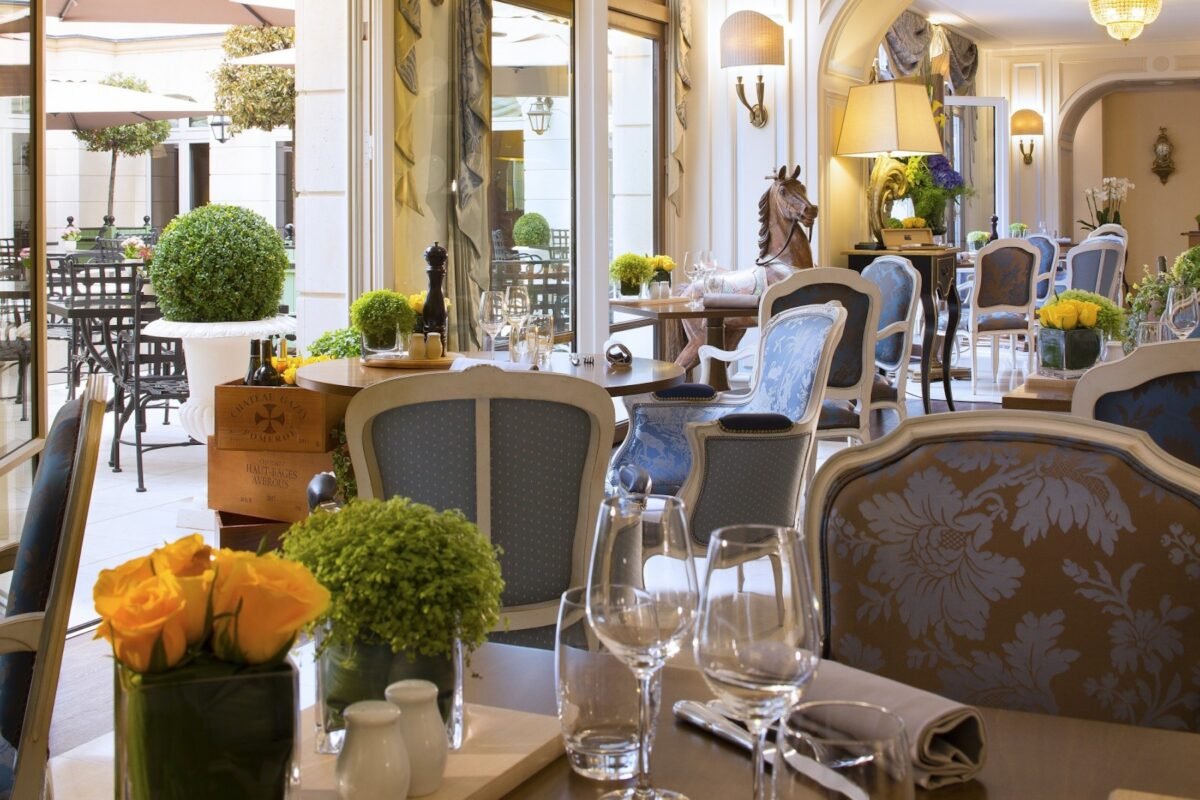
The menu reflects the rhythm of the seasons with understated confidence. Delicate foie gras ravioli arrive in a fragrant crevette grise Thai-inspired bouillon, offering an unexpected balance of richness and freshness, while the Auberge’s French meat pie pays elegant tribute to one of the country’s great culinary traditions. Thoughtfully curated wines, from a refined Savigny-lès-Beaune in Burgundy to the expressive Les Safres Châteauneuf-du-Pape, complement the cuisine without ever overshadowing it.
For those drawn to seafood, the lobster is a standout. Paired with a glass of Champagne Henriot Blanc de Blancs, whose vibrant citrus notes and fine minerality bring remarkable precision to the dish, it captures the effortless harmony that defines the best of French dining. Nothing feels forced; every element is carefully considered, allowing the ingredients—and the setting—to speak for themselves.
Exploring the Treasures of the Château de Chantilly
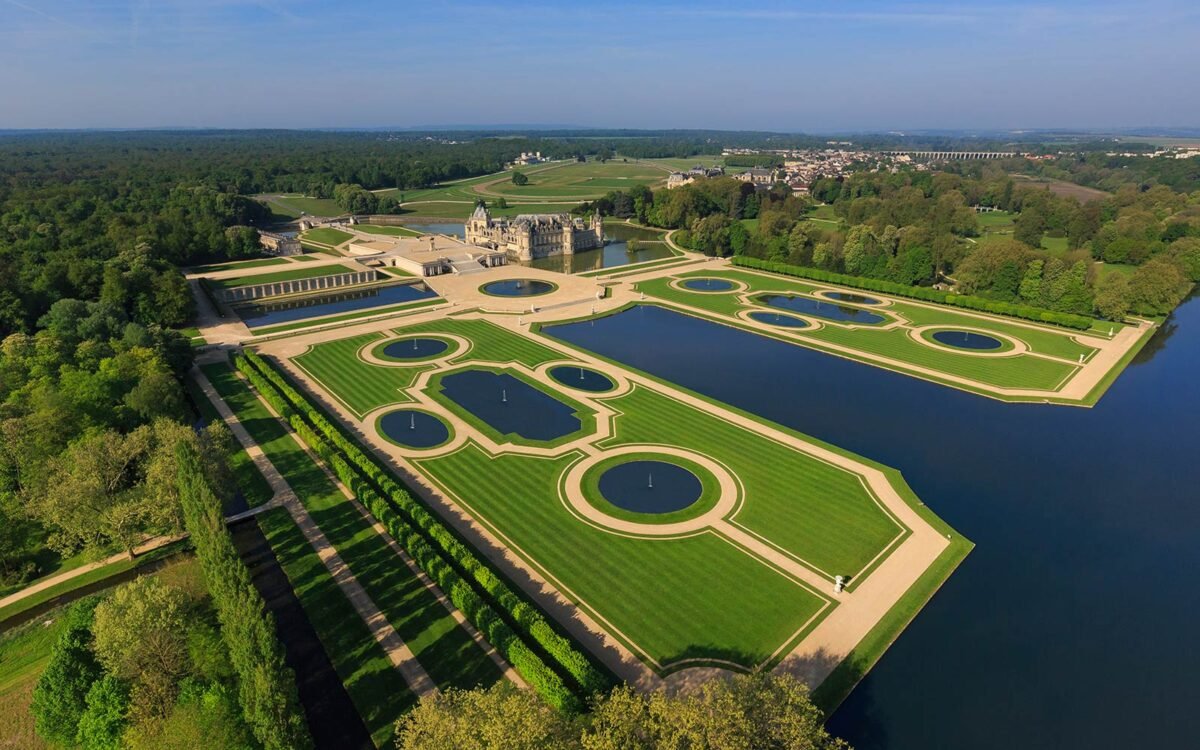
Musée Condé, Raphael, Le Nôtre’s gardens and the Grandes Écuries.
The greatest luxury, however, is the opportunity to step directly into one of France’s most extraordinary estates. The Château de Chantilly reveals its splendour through sumptuous state apartments and the remarkable Musée Condé, home to one of Europe’s finest collections of Old Master paintings. Among its treasures are Raphael’s The Three Graces and the celebrated Madonna of Loreto, alongside masterpieces by Poussin, Watteau, Ingres and Delacroix, making the museum second only to the Louvre for the richness of its historic collections in France. Outside, André Le Nôtre’s geometric parterres unfold into romantic gardens, while the monumental Grandes Écuries—widely regarded as the most beautiful stables in the world—continue to celebrate Chantilly’s enduring equestrian heritage.
Discovering Chantilly on Horseback
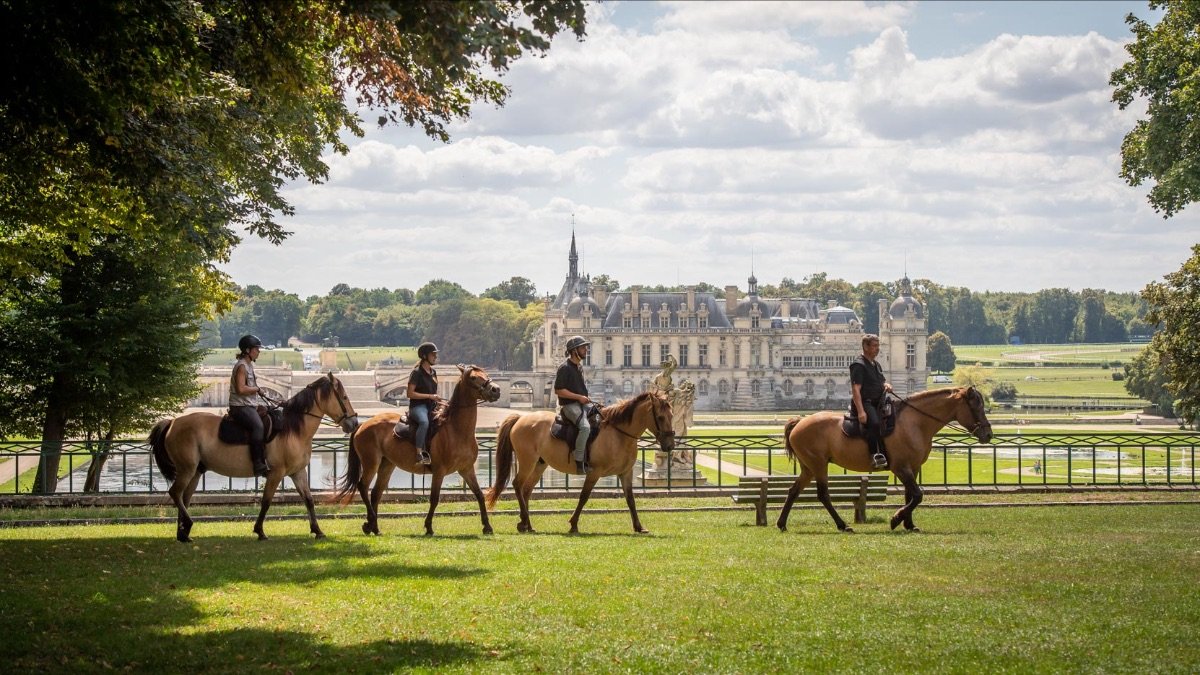
Henson horse experience through the Chantilly Forest.
That connection with horses remains woven into everyday life. There is perhaps no finer way to experience Chantilly than on horseback. Riding a gentle Henson horse through the vast forests surrounding the estate reveals a landscape shaped by centuries of equestrian tradition. Sandy trails wind beneath ancient oaks, past hidden clearings and the famous training grounds that have earned Chantilly its reputation as France’s horse capital. Calm, sure-footed and remarkably easy to ride, the Henson allows even beginners to explore this extraordinary landscape with confidence, transforming a simple ride into one of the region’s most memorable experiences.


A Morning in Medieval Senlis
Half-day excursion to Senlis.
A leisurely morning in nearby Senlis offers a delightful contrast to the grandeur of Chantilly. Just a short drive away, this beautifully preserved medieval town invites unhurried exploration, its cobbled lanes winding past half-timbered houses, elegant townhouses and hidden courtyards. Encircled by ancient Gallo-Roman walls and dominated by the soaring Gothic Cathedral of Notre-Dame, Senlis has long captivated filmmakers, artists and history lovers alike. Pause at a café overlooking a quiet square or browse the independent boutiques before returning to Chantilly in time for a relaxed lunch—an effortless excursion that reveals another timeless facet of the region.
The Sweet Legacy of Chantilly
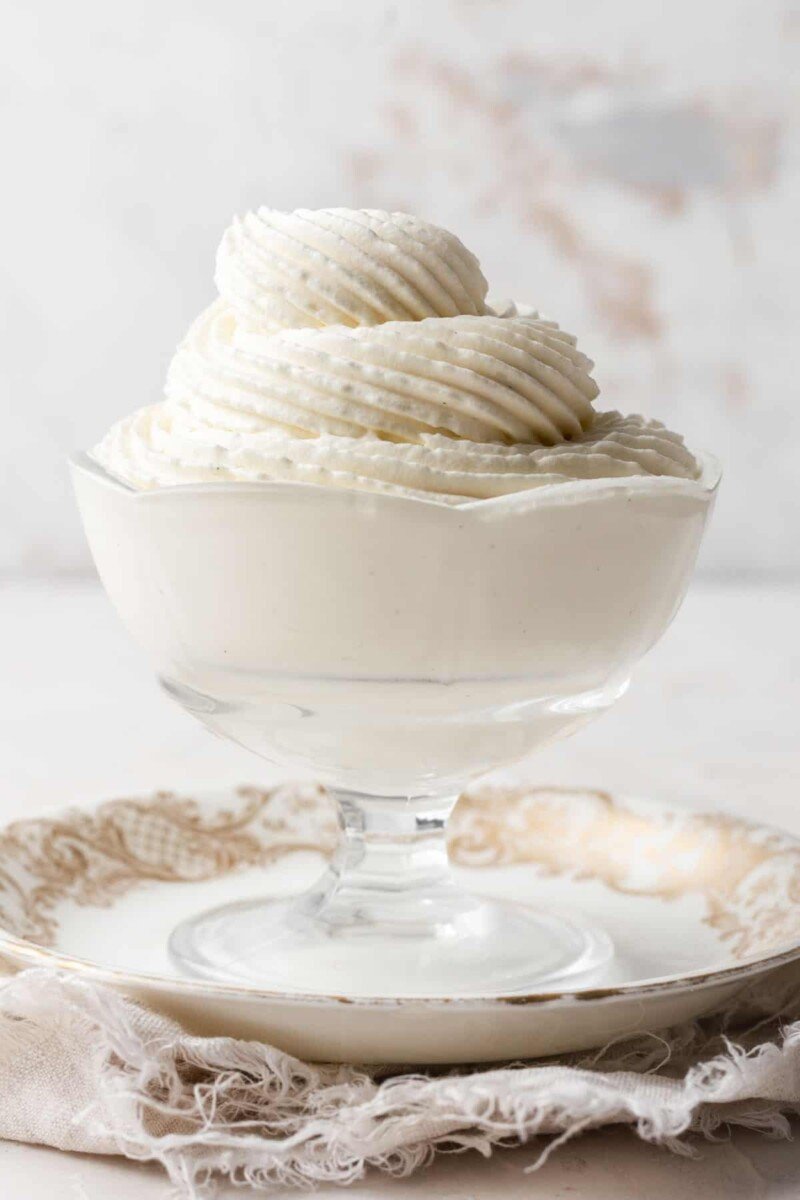
Crème Chantilly workshop with the pastry chef.
No stay would be complete without discovering Chantilly’s sweetest legacy. During a workshop with the hotel’s pastry chef, Gurpreet Singh Khalsa, guests learn the deceptively simple technique behind authentic crème Chantilly, whipped by hand until it reaches its famously feather-light texture. Made with just three ingredients—well-chilled heavy cream 35% fat (or minimum 30%), icing sugar and a touch of natural vanilla—the secret lies not in complexity but in precision. Whisked slowly over a bowl set on ice until soft, silky peaks form, the cream remains remarkably light and delicately balanced, embodying the elegance and restraint that define classic French pâtisserie. More than an iconic dessert, crème Chantilly is a cherished symbol of the region’s culinary heritage and a timeless expression of French savoir-faire.
A Moment of Wellbeing
Afterwards, the Valmont Spa offers a welcome pause, where bespoke Swiss treatments restore body and mind after a day spent wandering through centuries of history.
Auberge du Jeu de Paume succeeds because it never feels like an isolated luxury hotel. Instead, it acts as the front door to Chantilly itself—a destination where royal history, extraordinary art, equestrian tradition and quietly confident French hospitality remain beautifully intertwined. In a country rich with grand hotels, few offer such an effortless sense of place.