
Smile Makeovers: Exploring the Growing Trend of Dental Aligners… But Not Without The Risks
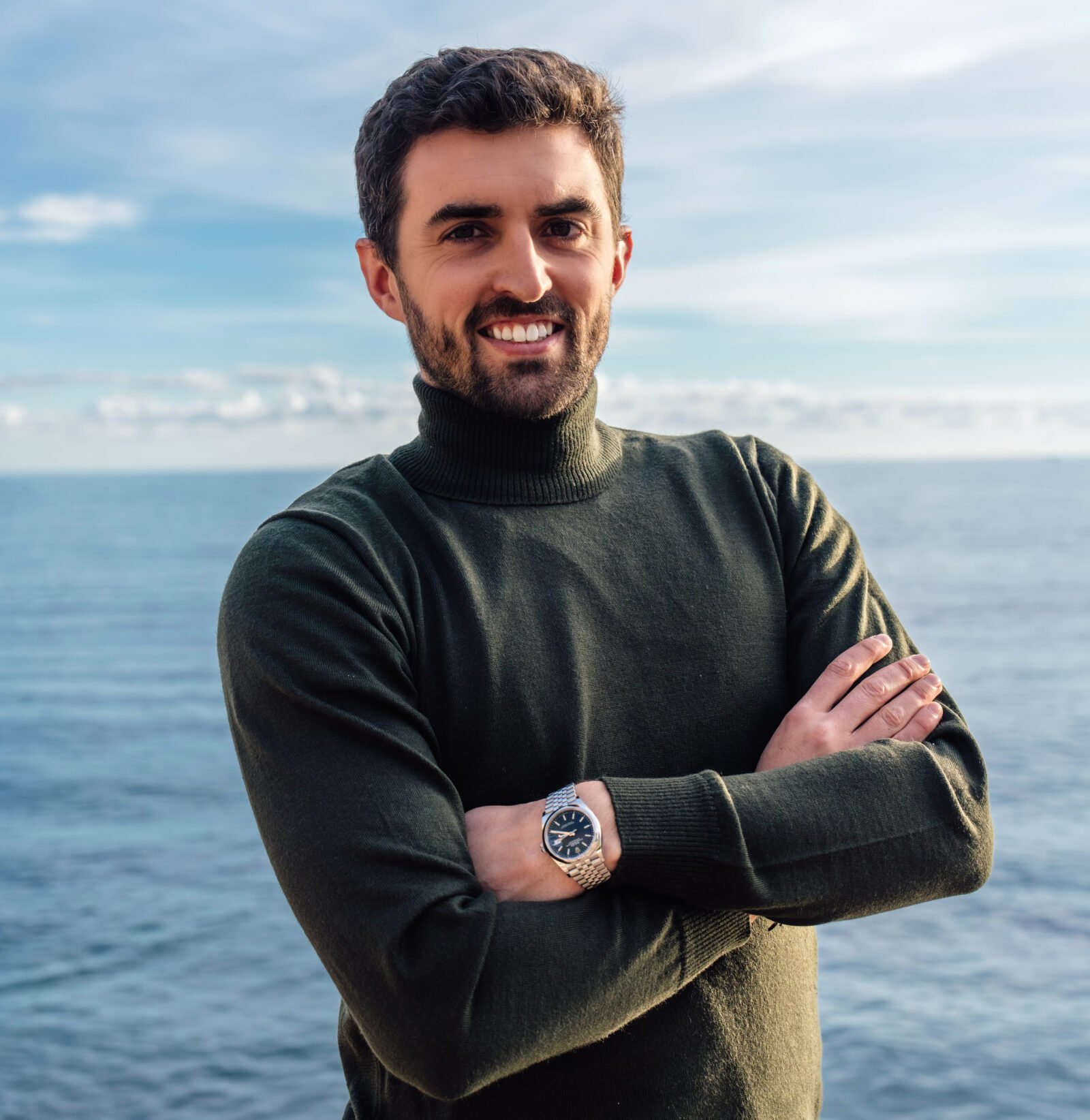
Insights from Dr. Corentin Ecalle, Orthodontic Specialist, lecturer and chief clinic at Institute of Oral and Dental Medicine in Nice
The desire for a warm, radiant smile with perfectly aligned teeth has seen a significant increase in our society, where self- image takes center stage. This type of smile conveys joy and openness to others— it’s contagious and, according to some studies, can even alleviate stress.
More than half of the population wishes for teeth that are better aligned.
Over the past two decades, treatment options have evolved considerably, becoming more aesthetically focused. Consequently, the market for aligners has experienced substantial growth. However, attention is needed as it is not always without risks, as explained by Dr. Corentin Ecalle, an orthodontic specialist.
Orthodontics: a dental and medical specialty
Orthodontics treats dental crowding and facilitates dental alignment. It combines a comprehensive approach from both aesthetic and functional perspectives. Each smile is unique and should harmonize with the face.
Treatment must align with coherent objectives, promoting functions such as effective chewing.
Aligners: a comfortable, invisible, and highly effective technique. What is the principle?
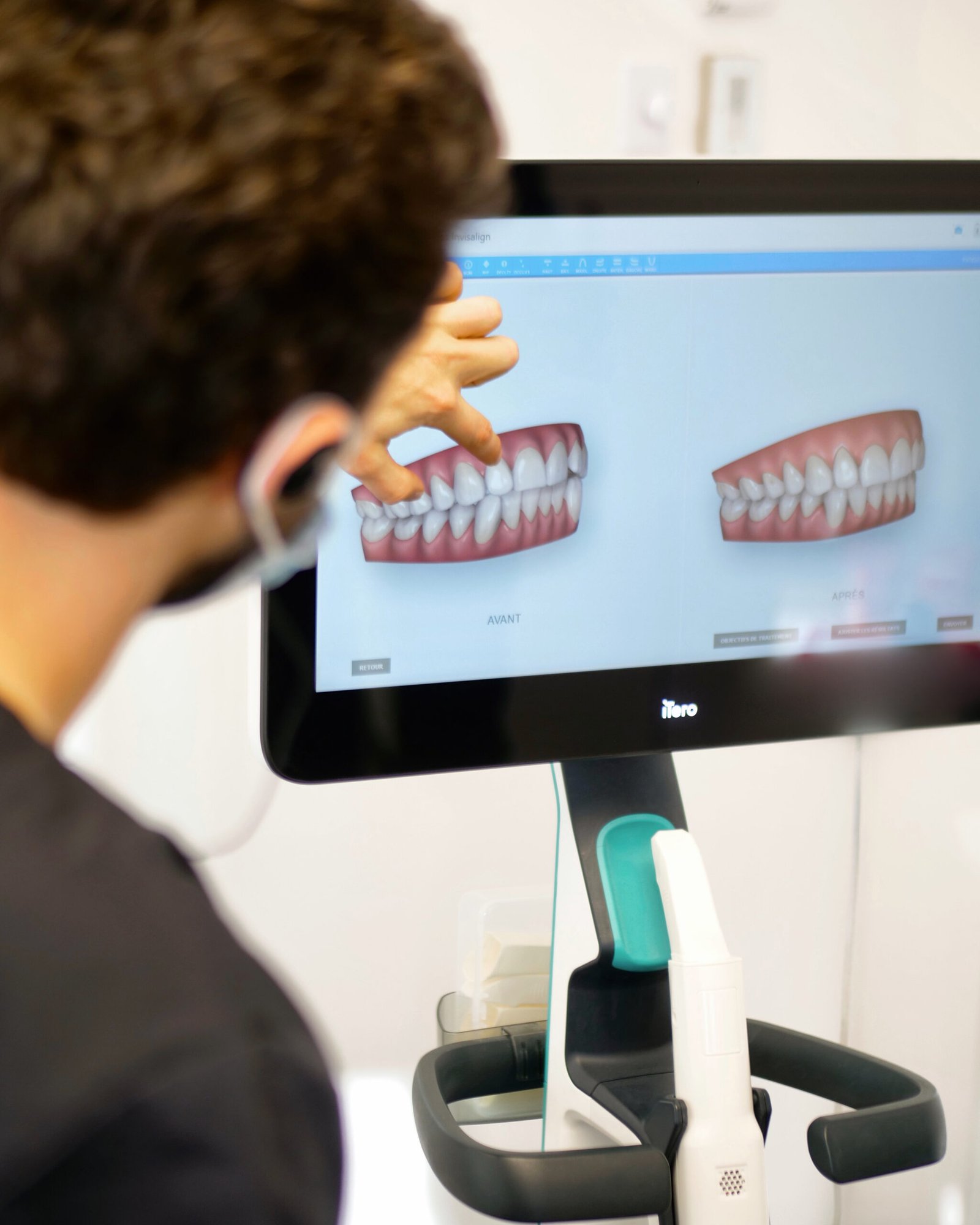
Aligner technology has benefited from significant advancements, including 3D printers, artificial intelligence, and optical impressions. The technique has greatly improved, and communication tools with patients have advanced as well. It is now possible to simulate the result of a smile, integrated into the face, from the first consultation. A clinical examination and X-rays are systematically performed. An optical impression of the teeth is taken (taking place of traditional dental paste!). A 100% personalized treatment plan is proposed by your healthcare professional, and a series of custom aligners is manufactured.
Each aligner will then gradually, precisely, and programmatically move the teeth. Aligners are worn for 22 hours a day and are only removed for eating. Accessories such as elastics can be used. Regular follow-ups with your orthodontist are then established. They monitor the harmony of the smile in your face, occlusion, tongue position, breathing… It is essential to understand that orthodontic treatment is not just about realigning one or more teeth. It requires a more comprehensive vision to ensure long-term treatment stability. This treatment can last from a few months to sometimes two years. The retention phase after treatment is also fundamental, usually involving retainers or fixed wires behind the teeth, to prevent any relapse after treatment.


With the development of the technique, it become accessible for most of malocclusions, and can be a valuable option for adults, and adolescents as well. Despite of this evolution, some patients are tempted to find a solution like E-aligners to achieve a Brad Pitt-like smile… But this is simply to be considered dangerous.
Aligners: a medical device not without risks
On the internet and social networks, commercial offers for dental alignment are everywhere. However, not all proposed solutions are equally effective. The result may not meet the consumer’s expectations. More seriously, aligners can be dangerous for the teeth. Using aligners to move teeth inappropriately can lead to serious and sometimes irreversible consequences: gingivitis, cavities, loosening, or even loss of teeth. Oral hygiene is systematically validated by the healthcare professional before starting treatment. Checking this over the computer and on the internet is impossible.
Ultimately, according to Dr. Ecalle, three fundamental points are essential to achieve a radiant and harmonious smile: a proper diagnosis, a personalized treatment plan, and unwavering patient cooperation. Ensuring follow-up for orthodontic treatment by a competent healthcare professional seems like a logical choice.