
Navigating The Waves of Energy Conservation in the Yachting Industry
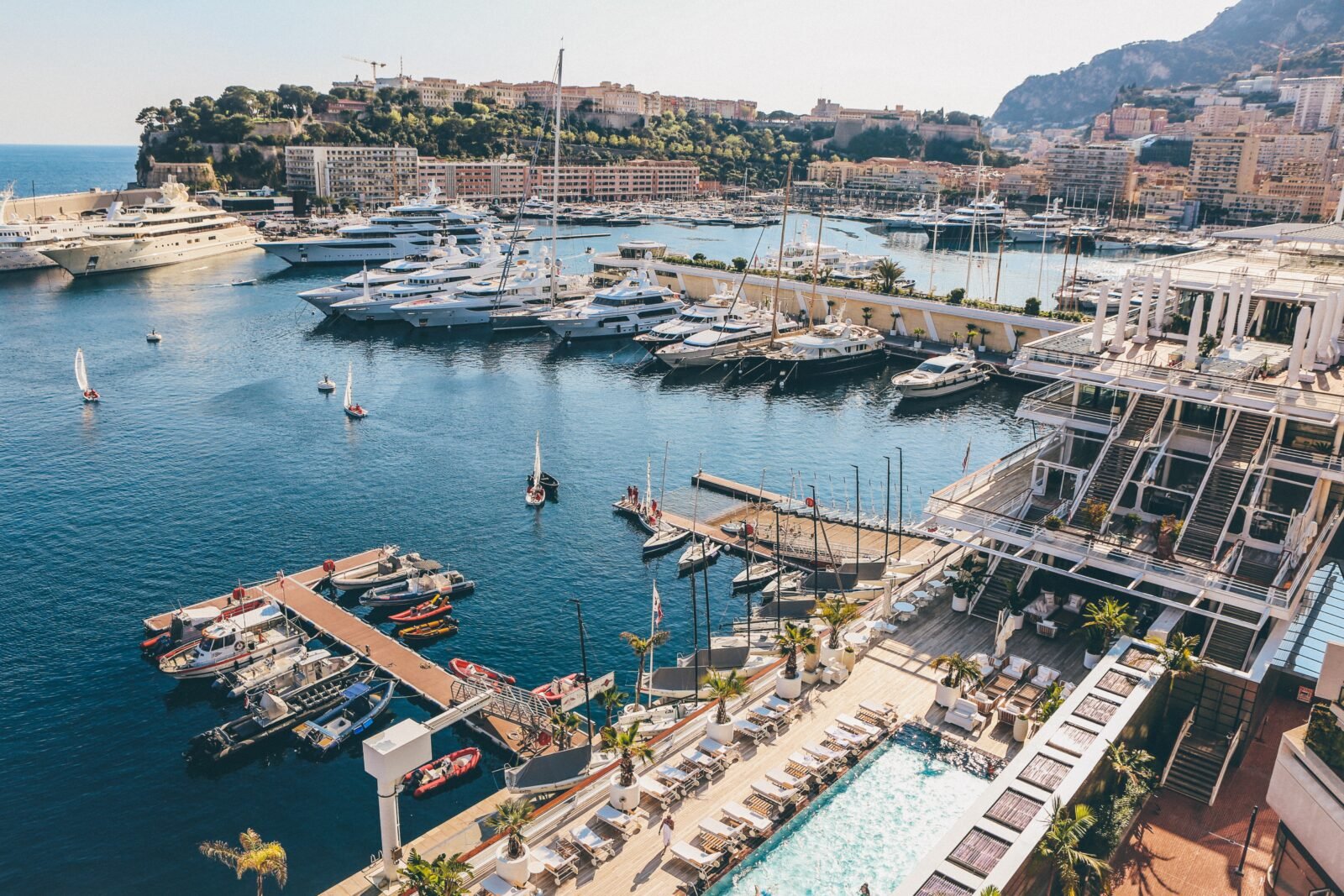
As the sun dips below the horizon, casting a golden hue over the vast expanse of the ocean, the serenity of a yacht sailing gracefully through the water is a sight to behold. The yachting industry, with its undeniable allure, symbolizes luxury, leisure, and adventure. However, beneath the surface, the industry has been making waves in a different way – it’s becoming increasingly aware of its environmental impact and the need for energy conservation.
For those of us who have dedicated our lives to the sea, there’s a unique perspective to this challenge. As a professional seaman turned technical superintendent, my journey has spanned the practical and theoretical realms of the maritime world. I have witnessed firsthand the changes in the yachting industry and the steps taken to conserve energy while mitigating the environmental impact.
The Yachting Industry’s Impact on the Environment
Yachts, like all vessels, have traditionally been powered by internal combustion engines, typically running on fossil fuels. This dependence on fossil fuels has raised concerns about air and water pollution, carbon emissions, and the overall environmental footprint of the yachting industry. The beauty of the open sea is at risk, and it’s high time we take responsibility.
Measures Already Implemented
The yachting industry has not turned a blind eye to these environmental challenges. Several measures have been implemented in recent years: Hybrid Propulsion Systems: Many yacht manufacturers have adopted hybrid propulsion systems, combining traditional engines with electric motors. These systems allow yachts to switch between power sources, reducing fuel consumption and emissions. Advanced Hull Design: Innovations in hull design have made yachts more hydrodynamic, reducing water resistance and fuel consumption. These designs enhance fuel efficiency and reduce the environmental impact. Renewable Energy Sources: Solar panels and wind turbines are increasingly found on yachts, providing a clean source of energy. These systems help offset the energy demand of various onboard systems and reduce the need for traditional power generation.
LED Lighting and Energy-Efficient Appliances: Yachts now employ LED lighting and energy-efficient appliances to minimize electricity consumption. Simple changes like these can lead to substantial energy savings.
Waste Management Systems: Proper waste management is crucial for the preservation of the marine ecosystem. Modern yachts are equipped with advanced waste treatment systems to minimize their impact on the environment.
What Is Still Required
While these steps represent significant progress, more work remains to be done. Here are some areas where the yachting industry can further enhance energy conservation and reduce its environmental footprint:
Alternative Fuels: The transition to alternative and cleaner fuels, such as LNG (liquefied natural gas) and hydrogen, could significantly reduce carbon emissions. The industry should invest in research and development to make these fuels more accessible and cost- effective.


Battery Technology: Improved battery technology would allow for longer periods of electric- only propulsion. Investing in research and development in this area can lead to substantial energy savings.
Carbon Offset Initiatives: Yacht owners and the industry as a whole can participate in carbon offset programs to compensate for their emissions. This might include investing in reforestation projects or supporting renewable energy initiatives.
Eco-Friendly Coatings: Innovations in eco-friendly hull coatings can further reduce water resistance and improve fuel efficiency. Education and Regulation: Raising awareness among yacht owners, operators, and crew about the importance of energy conservation and environmentally responsible practices is crucial. Governments and international maritime organizations should also implement and enforce stricter regulations to reduce emissions and protect the environment.
The yachting industry has come a long way in acknowledging its impact on the environment and implementing energy conservation measures. As a professional seaman who has witnessed the beauty of the sea and the challenges it faces, I am heartened by these developments. However, there is still much work to be done. It is our responsibility to safeguard the oceans and ensure they remain pristine for generations to come.
By embracing alternative fuels, improving battery technology, and championing eco- friendly practices, the yachting industry can strike a balance between the practical and the theoretical, bridging the gap between our love for the sea and our duty to protect it. Together, we can navigate the waves of energy conservation and chart a sustainable course for the future of yachting.