
Dr. Laura Purdy: Changing the Face of Healthcare

Meet Laura Purdy MD/MBA, known all over the world as “America’s Favorite Doctor.” She is a board-certified family medicine physician, entrepreneur, changemaker, philanthropist, mother, and US army veteran. Widely recognised among America’s foremost thought leaders on the future of digital healthcare. Licensed in all 50 states (including D.C.), she serves thousands of patients nationwide and is uniquely qualified to help develop virtual health offerings across the country. Dr. Purdy served for 14 years as an Army physician, caring for soldiers on the ground through the power of telehealth. Now, she is a sought-after digital medicine expert and successful entrepreneur serving as medical director/co-founder and advisor for more than 200 leading wellness companies. We got to talk to this shining star on the rise, and she is indeed the one to watch!
Please share a bit of the personal journey that led you to become a successful healthcare entrepreneur.
I have always thought that I was a businesswoman disguised as a doctor. Growing up, my dad was a very successful and astute businessman, who had a high standard of ethics, and always did the right thing. He was highly sought after, and he embodied all of the critical facets of a successful business person, such as the following traits: empathy, commitment, refinement, leadership and was a servant to the process. Then in the military, I learned how to innovate and improve systems with constrained resources, which is a skill set that has served me well, and served the telemedicine startup industry well too. I had several years of extensive on the job training, including working with the founders of businesses and in every stage of development – from preconception and pre-fund raise all the way to series D funding. Entrepreneurship excites me because I view every entrepreneur, and every new idea that disrupts systems and changes processes as a potential way to set a new trajectory for change and to be propelled into a transformative future.

Are there any gender inequality in medicine and any challenges women face in medicine?
Women are still very much up against gender inequality. If you intentionally analyze nearly every facet of healthcare, you will see where women are still at a disadvantage. Although our numbers of medical school completion are much closer to that of men, even now, research and academics are still heavily in favor of men. Additionally, there still continues to be a pay gap, which is the most blatant form of sexism in medicine that there is. I can think of so many times where I was discriminated against for my gender – from being called a “good little girl scout” when I volunteered for a humanitarian mission, to being mandated to attend hospital leadership meetings while actively in labor, or even being required to go back to work six weeks after giving birth, and having to sit out of my graduation, when I did not run as fast as my peers. These are all real stories, stories that do not apply to my male counterparts and I would not have experienced if I wasn’t a woman.
You are a change maker and a pioneer in the digital healthcare industry. Can you share what advantages virtual care brings?
It is not a surprise for me to say that our modern healthcare system in the US is broken in many ways. There are several problems or challenges in the US healthcare system. The first is access to care. There are not enough clinicians to service the vast number of medical needs across the country. There are care deserts, where access is nearly impossible. Virtual care closes that gap. A doctor could be on the other side of the country from their patient, and via virtual health they will still be able to get the care that they need. Also, much of virtual care can be done on a cash basis, not having to obey the restrictions of the insurance companies. Virtual care also puts autonomy back in the patients hands, because they are not required to continue seeing a provider if something doesn’t work for them. Patients can choose someone who is compassionate and empathetic, rather than feel like they are required to continue seeing someone that the insurance company or local geography dictates.
Please tell us about the “Concierge medicine” movement.
Concierge medicine is a movement that tries to propose a solution or an alternative to the traditional method of physician reimbursement, which has historically been insurance-based. Concierge medicine comes in a variety of forms, from an à la cart per instance fee, versus a monthly subscription fee, but what concierge models have in common is that they do not utilize a health insurance company. Patients have more freedom, but they also often have longer appointments, sooner appointment availability, and a better relationship with their clinician. It was historically seen as something that was only available to people of a higher socioeconomic status, but as time has progressed, concierge medicine has found more ways to be even more affordable and accessible to a wider range of people.
What are the main keys for improving healthcare for everyone?


I think the first key to improving healthcare for all is that it starts with the physicians. The harsh truth that I have seen happen on so many occasions is that we do not demand high levels of customer service from our doctors. We should expect that they will treat us kindly, with compassion and with love. We should also take care of our physicians, and make sure that they have a good work/life balance, and that their mental health is prioritized. I believe if we can help our doctors to be happy and taken care of, then that will translate over into happy patients.
What are you working on next?
There is always so much going on! But I am very very excited about an upcoming collaboration with some of my dear friends, who have recently launched a product for breast cancer, genetic testing using tears!! I’ve been advising them for at least the last year and helping them design their launch as they bring this product to the patients who so dearly need it. It’s called Auria, and I’m getting ready to take the test myself as well!
I love to see companies who are using science, and an entrepreneur mindset to think outside the box, change the world, and bring more offerings to more people all over the country. Together, this is how we change the world!
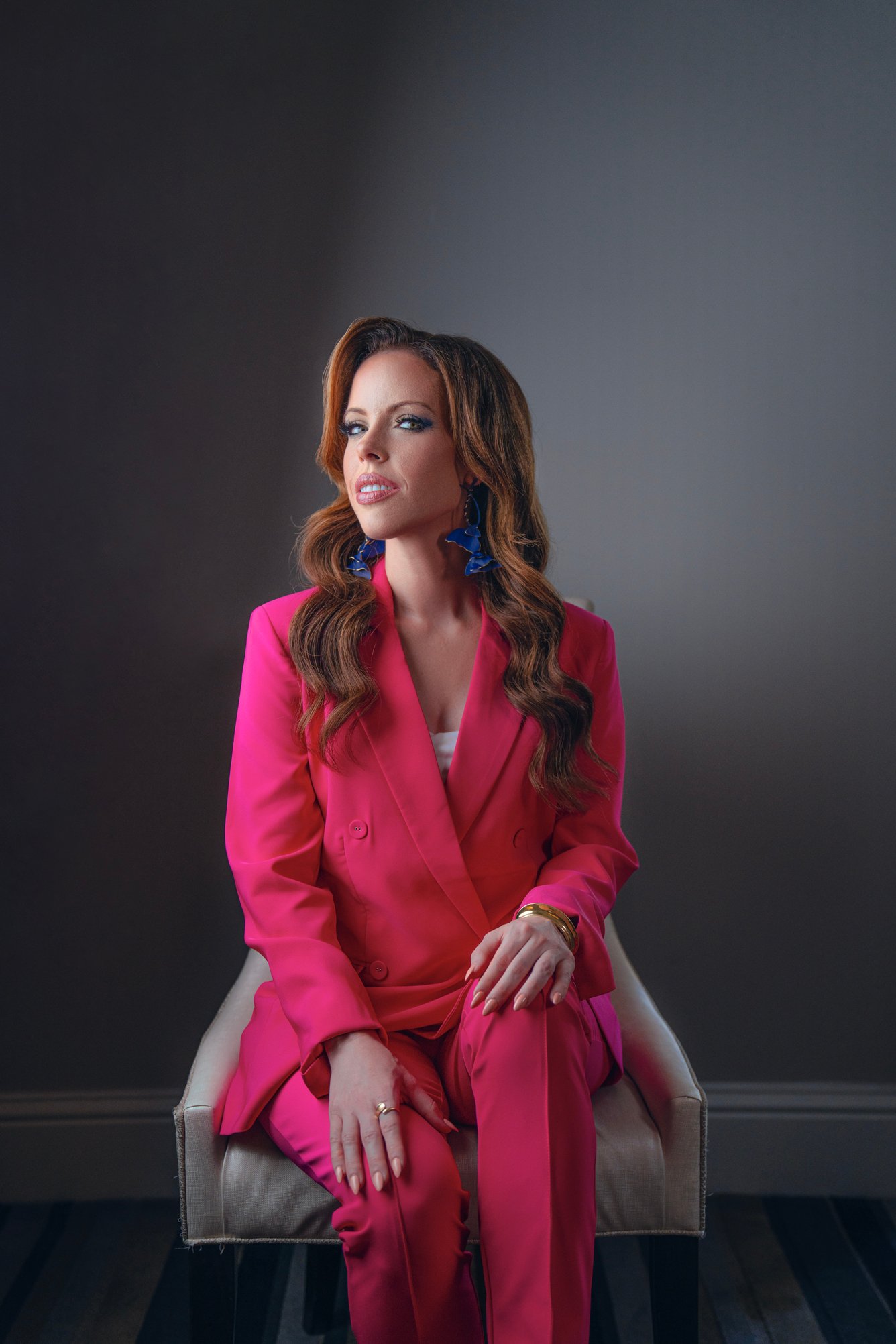
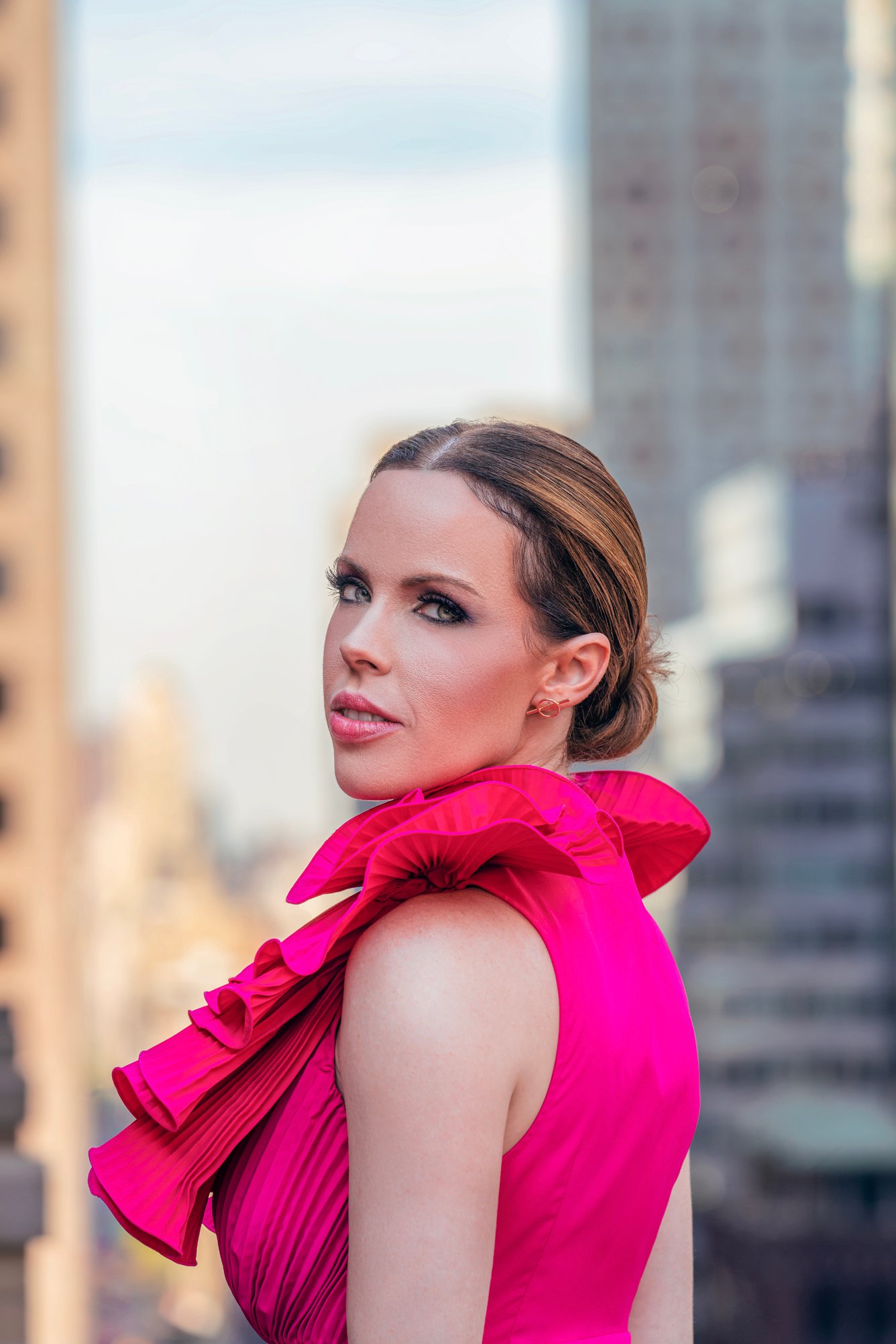
Photo 1: Joan Villalon, Photo 2: Mike Yi, Video: Maxime Moreau, MakeUp: Aimée Carr for Voodoo Makeup, MakeUp Assistant: Liz Dizon, Hair: Sara Marie Hopkins, Stylist: Elva Wu, Creative: Nina Vargas, Location: OMNI Berkshire Hotel, NYC